How a small Yilan farm put Taiwanese tourism on the global map
How a small Yilan farm put Taiwanese tourism on the global map
2023-12-17
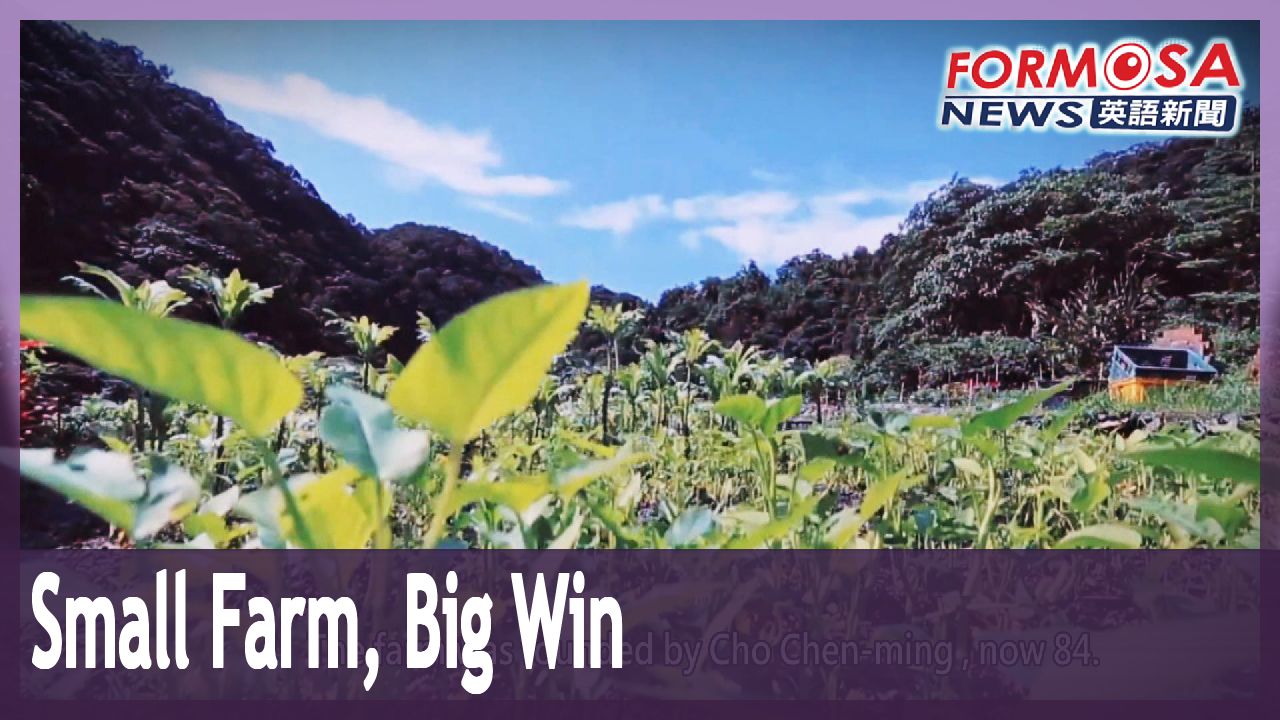
Today we take you to a leisure farm in Yilan that won the first-ever Asia Ecotourism Network award in innovative ecotourism. The farm beat out rivals from 21 countries with its unique “forest table” tour, which combines a gastronomic experience with wildlife education. There are more than 300 leisure farms in Taiwan, many with greater cashflow or better locations. But it was this Yilan farm that stood out and made its mark on the international stage. What’s its secret? We find out in our Sunday special report.
Against the lively melody of folk music, visitors from around the world emerge from a bus.
The 17 guests hail from 15 countries, spanning Oceania, central and south America, Africa, and Asia. It’s a veritable United Nations. What brought them all the way to this Yilan farm?
Chu De-yaun
Sustainable farming educator
Now this dining table is the Bird Table. If you want to eat from it, you’ll need to pass a pop quiz. Please name a bird that’s representative of your country.
Kathleen A. Orellana
Guatemala tourism department representative
Our national bird is el quetzal. It flies like this.
The visit was organized by the foreign ministry’s International Cooperation and Development Fund, as part of an ecotourism workshop. After sampling the Bird Table, the guests move on to turmeric jelly at the Bee Table.
Then there’s the Wild Boar Table, which is covered with brown sugar “soil.”
These “forest dining tables” are the brainchild of Swiss-Taiwanese chef David Wu. He wants guests to feel as if they were animals foraging in the wild.
David Wu
Head chef
The Bird Table, for instance. I started out by thinking about our natural environment, thinking about what I can use, what we have that birds like to eat.
Wu aims not only to engage the five senses, but to also prompt reflection on nature.
David Wu
Head chef
Why are these birds in our environment? Why are bees so important? If we use chemical fertilizers, we are harming bees and birds and other animals. We have to consider them, too.
Wu’s gastronomic concept brings visitors to the farm from all corners. This year, it defeated 21 nations to win the Innovative Ecotourism award from Asian Ecotourism Network.
The farm was founded by Cho Chen-ming, now 84. Forty-four years ago, she and her husband bought a piece of mountain woodland for their retirement. In the 1990s, amid a government push for leisure farms, they ventured into agricultural tourism.
In the early years of the farm, organic or eco-friendly practices weren’t widespread. The couple used pesticides and herbicides, until they saw for themselves the harms described in Rachel Carson’s “Silent Spring.”
Cho Chen-ming
Farm founder
Insecticides kill insects. It kills all the insects, and then birds eat the dead insects, and the birds die. When you spray herbicides, all the wildflowers and all the weeds die. What you get at the end is devastation, totally barren ground, soil that turns white. It was horrifying.
It occurred to Cho that ancient humans were able to produce good harvests without the help of chemicals. She began to study organic practices, to explore how to coexist with nature.
One practice she adopted was planting crops that were less susceptible to pests and more suited to the local environment, crops like sweet potato leaves and water spinach.
Today, weeds and crops thrive in her garden side by side. It’s just one of the features that set the farm apart.
The farm’s approach to sustainability was internationally recognized even before this year’s award. In 2019, it was one of two Taiwan farms certified by the GSTC, or the Global Sustainable Tourism Council. That meant it aligned with U.N. sustainability goals, achieving a circular economy in food, ecology, and agriculture.
Hunter Lin
Farm project manager
We especially like to attract bees that are higher up on the food chain. They live here, in what we call the insect hotel.
Without using pesticides, the farm controls the insect population by employing “worker” bees. Wood and bamboo are used to attract solitary, carnivorous bees to the hotel for residency.
Hunter Lin
Farm project manager
The solitary bees catch insects and put them in here. Then the bees lay eggs, and the hatched larva eats the captured insects. We especially want creatures higher up on the food chain to stay here, to help us control pests like water scavenger beetles and caterpillars.
In another sustainable practice, the farm integrates “ugly” vegetables in a circular economy.
Hunter Lin
Farm project manager
Leaves that are no good – we feed them to our cows, goats, and chickens, which produce excrement that we compost. After it’s composted, it becomes organic matter that makes our soil very fertile.
Over the years, practices like these have paid off, allowing a rich ecosystem to flourish. To showcase local wildlife, the farm started to offer night tours. The tour tonight is not for guests, but for new employees from Taiwan, Indonesia, and Vietnam, to familiarize them with the ecology.
Spiders, snails, and stick insects make an appearance. Two mating beetles become the talk of the evening.
These little animals are just a fraction of the wildlife that lives here. The most fascinating creatures remain out of sight, but can be observed with trail cameras. Here are wild boars, a family of three. A Formosan sambar deer on a slow ramble. Reeves’s muntjacs, frolicking through the forest. Such footage testifies to the unspoiled natural environment, which is part of why the farm received GSTC certification.
Leisure farms have existed in Taiwan for more than 30 years. Today, many have hit a ceiling in their growth.
Yan Jian-sian
Taiwan Leisure Agriculture Association
The farms have mainly reached two bottlenecks. First, they don’t offer enough. Most still only do food and drink and fun and maybe a few DIY activities. Once tourists have had the food and drink, they start looking for other destinations. The second thing is, after tourists do the same DIY activities for a while, they get bored.
Scholars suggest that green, sustainable tourism is the future. It could help leisure farms break past the growth ceiling, and even attract international tourists.
Besides drawing tourists from afar, the Yilan leisure farm also attracts global talent with its sustainable ethos. Its head chef hails from Switzerland. There’s Malaysian national Mah Sook Ling, who first came to the farm on a working holiday. Rachel, a Vietnamese graduate student, joined this week.
Mah Sook Ling
Malaysian farm staff
The first thing that made me want to come here was the natural environment. Just step out the office and you’re in the great outdoors. I’ve learned so much about their sustainable practices. To me, these are new ideas and concepts.
Through promoting Taiwan on the web, the foreign employees have brought more international exposure and tourists to the farm, creating a positive cycle that’s also been good for the Taiwanese workers.
Cho Chen-ming
Farm founder
When the first foreigner came, one with blond hair, it was so curious. All the employees hid away and stared and said, “How did a foreigner end up at our farm?” But over time, we got more and more foreign guests. We also saw lots of foreigners who came to work for room and board. The Taiwanese workers had opportunities for cultural exchange, and they began to realize that our farm was pretty nice.
By embracing nature and sustainability, Cho has blazed a trail for leisure farms, all while collaborating with the local community.
Cho and her daughter-in-law are at the docks, visiting a fishing family that upholds sustainability.
Lin Shu-chen’s family runs three fishing boats. The household shares Cho’s commitment to sustainability, refusing to use nets to catch fish.
Lin Shu-chen
Fisher
We use fishing rods, meaning that we only catch a few fish at most. The quantity is kept low, so we don’t throw off the balance of the marine ecosystem.
As they share the same values, their partnership is smooth and effortless. Visitors to the farm are offered a fishing port tour that enriches their stay. The tour also helps to fill Lin’s portside restaurant and to expand awareness of sustainable practices.
Cho also buys fresh produce from likeminded farmers.
Local farmer Chang Ming-li is committed to eco-friendly practices. Her fields are free from pesticides. She doesn’t even use fertilizer. Although her harvests are smaller, she says she feels richer for it.
Under the chef’s skillful hands, Chang’s crops become gourmet fare for tourists. Through partnerships like this, sustainably farmed products and their stories can reach a wider audience.
Chang Ming-li
Yilan farmer
The farm is quite internationalized, so lots of people go there. When they visit, they can eat the food we grow and possibly hear our stories. I believe there’s a lot of value in that. It can produce a spark that catches fire. It can achieve a ripple effect that brings greater visibility to our mission.
Under the ethos of sustainability, tourism can become more than food, drink, and fun. Travelers don’t just relish the moment, but do their part for the environment, preserving its beauty and diversity for the future.
For more Taiwan news, tune in:
Sun to Fri at 9:30 pm on Channel 152
Tue to Sat at 1 am on Channel 53
小農場奮鬥記
2023-12-17
今天帶您看看宜蘭有一家農場,在今年擊敗了21國,奪下第一屆亞洲生態旅遊網絡最佳創新獎,以結合美食和動物習性的森林餐桌,成為台灣之光。其實全台有三百多家農場,論地點、財力、規模,這家農場都不算首屈一指,他們是如何站上國際舞台,甚至吸引外國團體前來取經呢?
在充滿農村風情的樂聲下,一個個異國臉龐出現。
17位貴賓,有來自大洋洲、中南美洲、非洲與亞洲等15國,幾乎是個迷你聯合國,為何他們會千里迢迢,出現在宜蘭的農場呢?
[[農場永續教育推廣中心執行長 瞿德淵]]
“這個餐桌名稱叫做小鳥的餐桌,大家如果想要吃它,必須要通過一個小小的考驗,請你說出一種鳥的名字,能夠代表你們國家的一種鳥”
[[瓜地馬拉觀光局地區代表 Kathleen A. Orellana]]
“我們的國鳥是鳳尾綠咬鵑,牠這樣飛”
這些外國友人是因外交部國合會,主辦的生態觀光研習而來,除了小鳥餐桌外,還有薑黃涼糕為主的蜜蜂餐桌。
以及用黑糖粉模擬土壤的野豬餐桌。
精心製作這些食物的瑞士主廚吳小龍,就是要讓遊客化身動物,在森林中覓食。
[[農場主廚 吳小龍]]
“像鳥的餐桌的話,我就從我們環境開始想,我可以用什麼,我們有什麼,是鳥喜歡吃的食物”
從吃打開遊客感官,要他們啟動觀察並思索自然。
[[農場主廚 吳小龍]]
“為什麼有鳥類在我們的環境,為什麼蜜蜂這麼重要?我們如果總是在用化學肥料,對蜜蜂或鳥類什麼動物,也對牠們不好,所以我們也要想到牠們。”
這寓意深遠的森林餐桌,之所以吸引外國友人,不辭千里,正因它擊敗21國,今年奪下,亞洲生態旅遊最佳創新獎。
84歲的農場創辦人卓陳明,44年前和擔任公職的先生,決定買片山林好好退休。1990年代正逢政府推行休閒農業,夫妻倆便配合政策兼做觀光。
不過那個年代,友善或有機農業觀念還不普及,一開始農場也採用農藥、除草劑,親身體驗了「寂靜的春天」。
[[農場創辦人 卓陳明]]
“殺蟲劑,所有蟲類可以把牠殺死,蟲子殺死,鳥類去吃蟲子,鳥類跟著死,然後殺草劑噴到地上,野花野草死一片,所以就看到,這個簡直是毀滅性的東西,土地因為沒有草,土地變白色,太恐怖了”
卓陳明認為,千萬年來古人沒用農藥化肥,卻也能生產作物,她便開始學習有機農法,摸索如何與萬物共存。
答案之一就是種蟲害少,適合在地的作物,像地瓜葉、空心菜等等。
如今菜園中,草與菜,分不清地長在一起,是農場的特色。
在他們今年奪下亞洲生態旅遊大獎前,早在2019年,就成為全台唯二,通過國際GSTC,也就是符合聯合國永續目標的農場,在食物、生態及農業三方面,達成永續循環。
[[農場企劃經理 林宏達]]
“我們特別喜歡吸引,比較高階的那種蜜蜂,牠就住在這裡面,我們叫它昆蟲旅館”
以生態循環來說,既然不能用農藥除蟲,他們就借用昆蟲員工,例如用斷木與竹子,營造成吸引肉食性獨居蜂的旅店。
[[農場企劃經理 林宏達]]
“獨居蜂去抓蟲放在這邊,下一顆蛋,這顆蛋孵化之後,就會吃蟲,特別希望這樣高階的昆蟲,可以在我們這邊停留,幫我們抓蟲,像牙蟲、毛毛蟲那一類。”
而在菜園中長得較差的醜蔬菜,就用於農業循環。
[[農場企劃經理 林宏達]]
“這種NG的葉子,我們就會拿去餵牛、羊、雞,吃了之後牠會有糞便,我們就拿去做堆肥,堆肥之後回來,就變成我們這邊的有機質,你看我們這邊的土是很肥沃”
種種考量環境的友善作為,數年來累積成豐富的生態,在動物變多後,農場也開始夜間導覽,不過今晚是員工訓練,讓新進的台灣、印尼與越南員工,認識在地生態。
蜘蛛、蝸牛、竹節蟲一一出現。不過大家討論度最高的是交配爭中的豆芫青。
但這些小動物,只是這裡生態的小菜一碟,更精采的生態是會躲著人類,得從動物攝影機中看。像野豬一家三口、水鹿悠遊漫步、山羌結夥嬉鬧,這些影像佐證,這裡夠野,夠自然,也正是他們獲得GSTC認證的原因之一。
其實台灣農村休閒旅遊,已發展約莫30年,許多農場正面臨著瓶頸。
[[台灣休閒農業學會理事長 顏建賢]]
“大概遇到的瓶頸有兩個,一個它的豐富度不夠,大概還停留在以前,提供大家吃喝玩樂,頂多再加上一個DIY,吃喝玩樂久了,大家就想說還有別的地方可以去,第二個DIY久了,大家就覺得好害怕都做同樣的”
學者建議,以永續生態為價值的綠色旅遊,將有助於突破現況,甚至吸引國際觀光客。
除了國際觀光客,這裡的環境與理念,也吸引外國人才,像來自瑞士的吳小龍,還有當初以打工度假來的馬素靈和這週剛報到的越南博士生Rachel等等。
[[馬來西亞籍員工 馬素靈]]
“第一吸引我的地方就是這邊的環境,一走出去這邊的辦公室,就看到外面的大自然,在這邊其實我是學到滿多東西,關於他們做的永續行動,對我來說是一個
新的想法、概念”
這些外籍員工在網路介紹台灣,多了國際曝光又帶來更多外籍遊客,兩者促成的正循環,也激發了本國員工。
[[農場創辦人 卓陳明]]
“起先一個外國人來,黃頭髮的,很稀奇,員工都躲著偷看說,我們農場怎麼有外國人來,慢慢的,客人也有外國人,也有很多打工換宿的都是外國人,(員工)會文化交流,而且會覺得我們農場好像很不錯”
藉由永續與生態,他們打開一條綠色觀光之路,也攜手社區夥伴一起前行。
卓陳明在媳婦江富美的陪同下,前來拜訪講究永續漁法的船家。
林淑貞家有三艘漁船,他們捕魚不用網撈,與卓陳明想法一致。
[[宜蘭漁家 林淑貞]]
“一支釣它就是用釣竿釣,頂多是幾條而已,所以它的量少,就不至於會破壞到,整個海洋的生態”
雙方理念一致,合作便一拍即合,一來農場遊客多了漁港遊,豐富行程,二來林淑貞的漁村廚房多了客人,還能推廣理念。
不只漁家,對於價值觀契合的農家,卓陳明也向他們採購農產品。
張明麗是宜蘭講究自然農法的農民,她的田不僅不除蟲,連肥料都不給,秉持這樣的理念,收成當然不豐,但她卻自覺很富裕。
而在主廚巧手下,她的農產品化為餐桌上的美味,供遊客品嚐。藉此這蘊藏著共好願景的農產,得以傳達給更多人。
[[宜蘭農家 張明麗]]
“它是一個國際化的農場,所以很多人會來這邊,在這過程當中,客人就會吃到我們種的食物,而且可能聽到我們的故事,我覺得這中間有很多的效益,它會產生越來越多的火花,像一個漣漪越來越擴大,讓這件事情被看見”
在這樣的理念下,讓旅遊不再是停留在表面的吃喝玩樂,而是賦予了永續的價值,讓旅人在遊憩同時,也能支持環境,為自然存下豐富資產。
更多新聞內容,請鎖定:
民視台灣台(152頻道)週日至週五晚上9:30
民視新聞台(53頻道)週二至週六凌晨1:00
Related News