Historic coral bleaching warning from US scientists
Historic coral bleaching warning from US scientists
2024-03-22
Pacific leaders are on high alert after U.S. scientists warned that the world is nearing a historic mass coral bleaching brought on by high water temperatures fueled by climate change. However, the president of Palau says the situation isn’t hopeless, as corals can be resilient. Voice of America’s Jessica Stone reports.
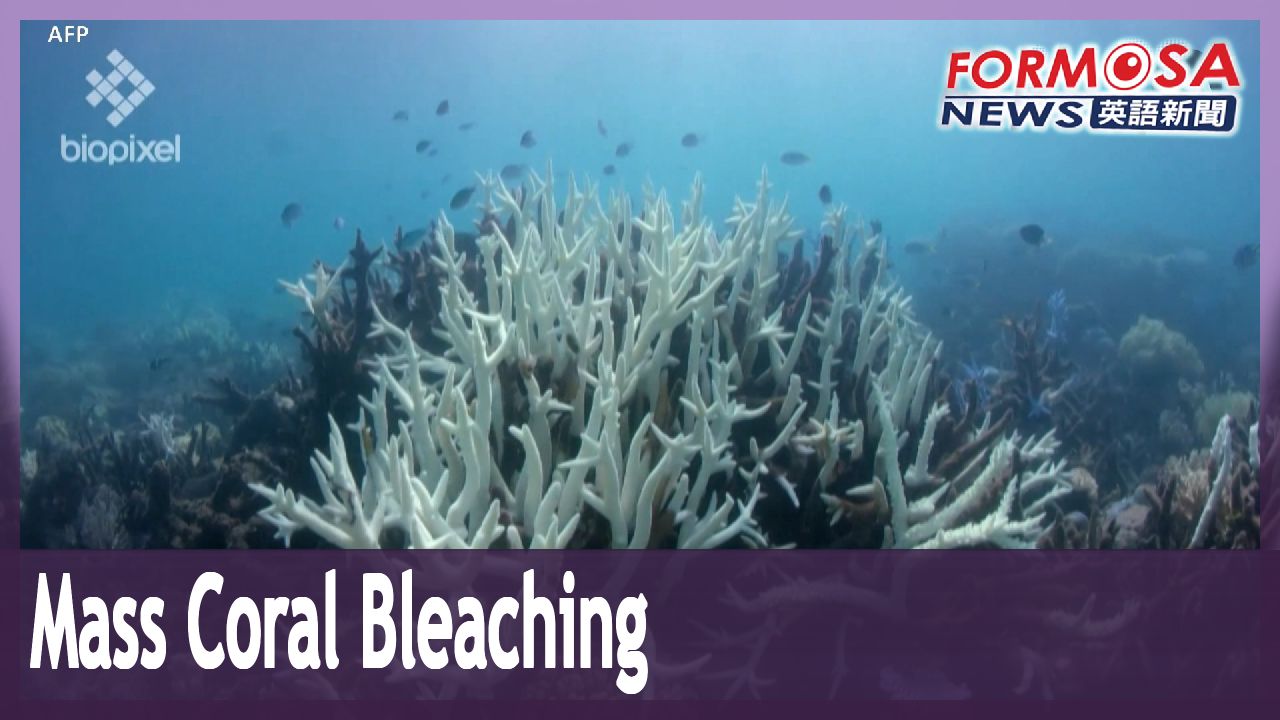
Australia’s Great Barrier Reef – typically an underwater rainbow of color. Now parts of it are a spotted canvas of white.
It’s called a coral bleach – a symptom of soaring ocean temperatures that can lead to the death of a reef and the species who live there.
Derek Manzello
NOAA Coral Reef Watch
Marine heat waves are unfortunately increasing in frequency, magnitude and severity. This is directly due to climate change and global warming.
The high levels of heat stress mapped in 2023 prompted the United States’ National Oceanographic and Atmospheric Administration, or NOAA, to update its coral bleaching alert maps. In December, NOAA added three new levels, with Level 5 predicting “near complete mortality” for reefs.
Marine ecologist Manzello says that the world is on the brink of a historic coral mass bleaching event, the fourth in history.
Species like tuna – a key food source and top export here in American Samoa. Manzello says he’s already helping the U.S. territory monitor the worst-hit reefs in their waters.
Derek Manzello
NOAA Coral Reef Watch
Coral reefs provide a lot of protein, in particular for places like the Pacific Islands where you have whole communities that are wholly dependent on the fisheries.
Palau’s President, Surangel Whipps Jr., though, says the situation isn’t hopeless and that corals can be resilient.
Surangel Whipps Jr.
President of the Republic of Palau
Every time we’ve had a coral bleaching event, some of those species have come back, and we’re just hoping that this event is not too widespread and destructive.
Alan Friedlander, the chief scientist at National Geographic’s Pristine Seas project, says Palau, the Marshall Islands and parts of Kirabati possess what’s called super reefs – corals that recover more quickly from bleaching than other reefs.
Alan Friedlander
Pristine Seas Project
These quote unquote super reefs are areas that should be set aside for protection because they can be the seed bank for other places that have been impacted.
Absent that, they say, it can take between 12 and 15 years for these ecological treasures to return to health.
Jessica Stone, VOA News.
For more Taiwan news, tune in:
Sun to Fri at 9:30 pm on Channel 152
Tue to Sat at 1 am on Channel 53
美國科學家示警 全球瀕臨歷史性珊瑚白化危機
2024-03-22
美國科學家示警,氣候變遷引發的高水溫,導致全球正瀕臨歷史性的大規模珊瑚白化,太平洋地區國家也處於高度戒備狀態。來看看美國之音的報導。
澳洲的大堡礁的水底世界通常是色彩斑斕,然而現在一部分成了一片白。
這是所謂的珊瑚白化,海洋溫度飆升造成的一種現象,可能導致珊瑚礁和其他物種死亡。
[[NOAA珊瑚礁觀察計畫生態學家 曼茲洛]]
“不幸的是,海洋熱浪的頻率、強度和嚴重程度增加,原因直指氣候變遷和全球暖化。”
2023年的高強度熱壓力數據圖,讓美國國家海洋暨大氣總署(NOAA)更新珊瑚白化警示地圖。12月,NOAA將白化警報級別增加了三個新級別,其中 5級預測珊瑚礁「幾乎完全死亡」。
海洋生態學家曼澤洛表示,全球正瀕臨歷史性的珊瑚群白化事件,這是歷史上的第四次。
鮪魚等物種是美屬薩摩亞的主要食物來源和主要出口產品。曼澤洛表示,他已經為美國領土監測水域中受災最嚴重的珊瑚礁。
[[NOAA珊瑚礁觀察計畫生態學家 曼茲洛]]
“珊瑚礁提供大量的蛋白質,特別是像太平洋島嶼這樣的地方,那裡的整個社區完全依賴漁業。”
不過,帛琉總統惠恕仁表示,情況並非毫無希望,珊瑚具有恢復能力。
[[帛琉總統 惠恕仁]]
“每次發生珊瑚白化事件時,其中一些物種都會回來,我們只是希望這事件不會太廣泛和破壞性。”
國家地理原始海洋計畫首席科學家佛瑞德蘭德表示,帛琉、馬紹爾群島和吉里巴斯部分地區擁有所謂的超級珊瑚礁,這種珊瑚比其他珊瑚礁從白化中恢復得更快。
[[原始海洋計畫科學家 佛瑞德蘭德]]
“這些超級珊瑚礁應該被劃進需要特別保護的區域,因為它們可以成為其他受到影響的地方的種子庫。”
他們說,如果不這樣做,這些生態珍寶可能需要 12到15年才能恢復。
更多新聞內容,請鎖定:
民視台灣台(152頻道)週日至週五晚上9:30
民視新聞台(53頻道)週二至週六凌晨1:00
Related News