Tamarind fruit is being secretly stolen from a Kaohsiung park
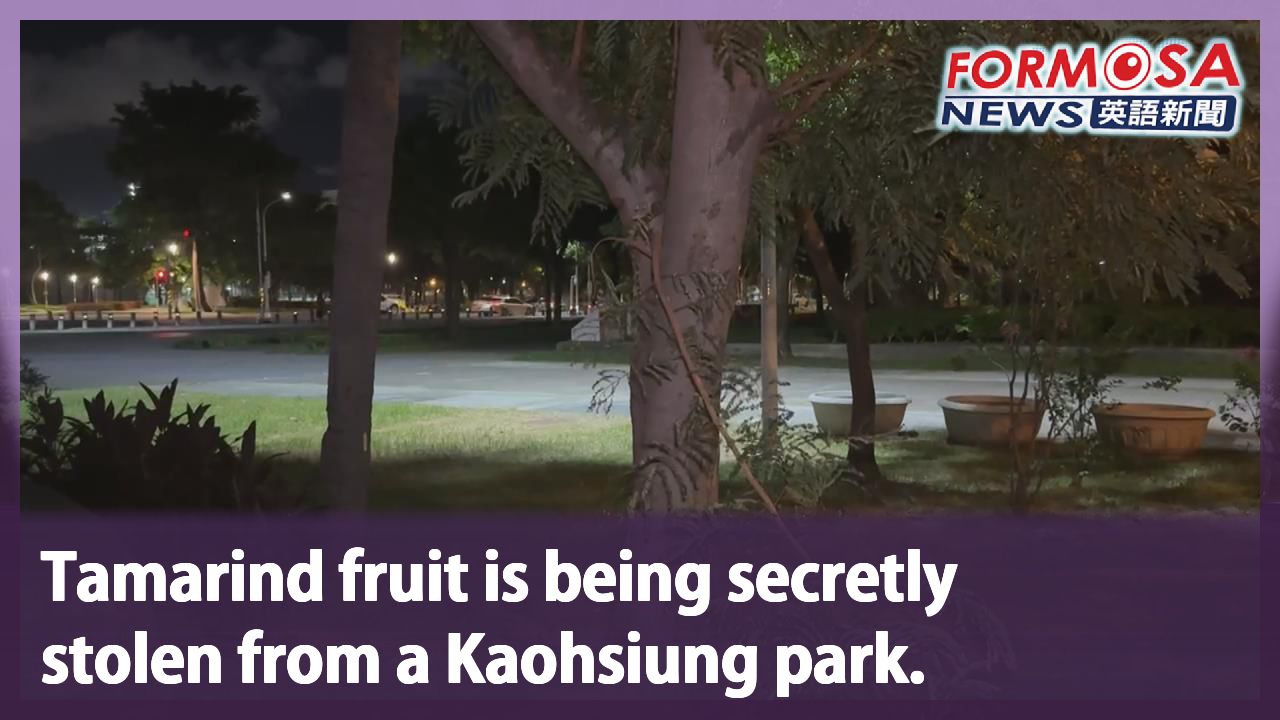
Tamarind fruit is being secretly stolen from a Kaohsiung park
2026-07-10
Tamarind fruit, originally native to tropical Africa, has a uniquely bold sweet and sour flavor. It was introduced to Taiwan in the Japanese colonial era and is a key ingredient in Southeast Asian cuisine; essential for popular dishes such as Thai green papaya salad. But appreciating this exotic fruit does not mean you should steal them from the Weiwuying Metropolitan Park. Let’s find more about these shady tamarind thieves.
Add fresh dried shrimp, peanuts, tomatoes and other ingredients and stir. Then add a spoonful of special-blend tamarind sauce and top with plump shrimp. Serve with refreshing and delicious green papaya shreds.
There’s also this specialty drink, made with tamarind and a touch of lemon, which is refreshing, helping to cut through greasiness, and cools you down in the summer.
Wang Ken-li
Thai restaurant owner
It’s mostly used in shredded green papaya dishes, as well as in drinks and some dipping sauces; it has a sweet and sour taste.
Tamarind fruit has a wide range of uses. It was introduced to Taiwan during the Japanese colonial era as an experimental tree species for street trees and economic crops. However, recently it was found that tamarind trees in Kaohsiung have taken a beating
The tamarind trees in Weiwuying Metropolitan Park in Kaohsiung have branches that are bent and look like they are about to break. Some people have seen people shaking the trees at night so that they can pick up tamarind fruits from the ground.
Member of the public
Doesn’t approve of theft
Shaking the trees is just wrong—they’re public property. Plus, it’s not like you’re even getting much out of it.
Member of the public
Doesn’t approve of theft
It’s quite unsettling, because there are a lot of children here.
Chen Pei-hsin
FTV reporter
Its fruit is said to be used to make tea, or even for resale, so it’s possible that this is why people are destroying the trees.
Such behavior not only damages trees but also violates regulations.
Chen Chin-hung
Kaohsiung Public Works Bureau
Those who refuse to comply after being stopped will be fined between NT$1,000 and NT$6,000, and in addition they will be required to compensate the value of the trees.
Tamarind fruit is popular and actually not expensive, but it is not only inappropriate to shake the trees in the park and pick up the fruit without permission – it’s also illegal.
For more Taiwan news, tune in:
Mon to Fri at 9:30 pm on Channel 152
Tue to Sat at 1 am on Channel 53
#Thaicuisine #Taiwanparks #pettytheft #tamarind #Kaohsiungparks
半夜搖樹! "公園採摘羅望子"遭制止 專家:東南亞料理靈魂
2026-07-10
高雄有民眾看到,有人趁著晚上,到衛武營都會公園搖樹採果,讓業管單位也出面制止。原來民眾想採的,是東南亞料理靈魂之一的羅望子果實,像是青木瓜絲的靈魂醬汁,還有特色羅望子果汁,酸中帶甜,別有風味。
將新鮮蝦米、花生、番茄等配料加入攪拌,再舀上一匙羅望子特調醬,最後放上肥美蝦子,清爽可口的青木瓜絲上桌。
還有這款特色飲品,羅望子加點檸檬,清涼解膩又消暑。
[[泰式餐廳老闆 王根立]]
“大部分用在青木瓜絲,還有飲料上,還有一些沾醬上,酸酸甜甜的感覺”
羅望子果實,用途廣泛多元,在日治時代引進台灣,作為行道樹和經濟作物的實驗樹種,但沒想到最近被發現,市區的羅望子樹變這樣。
位在高雄衛武營都會公園的羅望子樹,樹枝歪斜,看起來快斷了,就有民眾看到,有人晚上會來搖樹,就是要撿羅望子果實。
[[民眾]]
“搖這個樹,這是公共的東西,這樣做是不對的,對你也沒有什麼利益啊”
[[民眾]]
“會讓人覺得滿錯愕的,因為畢竟這邊滿多小朋友的”
[[記者 陳姵妡]]
“它的果實傳說是可以來泡茶,甚至是可以轉賣,所以不排除是因為這樣,才會有人來破壞樹木”
這樣的行為不僅傷害樹木,也違規了。
[[高雄工務局公園處主秘 陳錦宏]]
“如經制止不從者,處新台幣1千元以上,6千元以下罰鍰,賠償該樹木價額”
羅望子果實夯,其實價格也不貴,但如果是擅自到公園搖樹採取,不僅不恰當,吃了也難安心。
更多新聞內容,請鎖定:
民視台灣台(152頻道)週一至週五晚上9:30
民視新聞台(53頻道)週二至週六凌晨1:00
Related News