Senior NHI premium exemption plan sparks equity concerns
Senior NHI premium exemption plan sparks equity concerns
2026-10-28
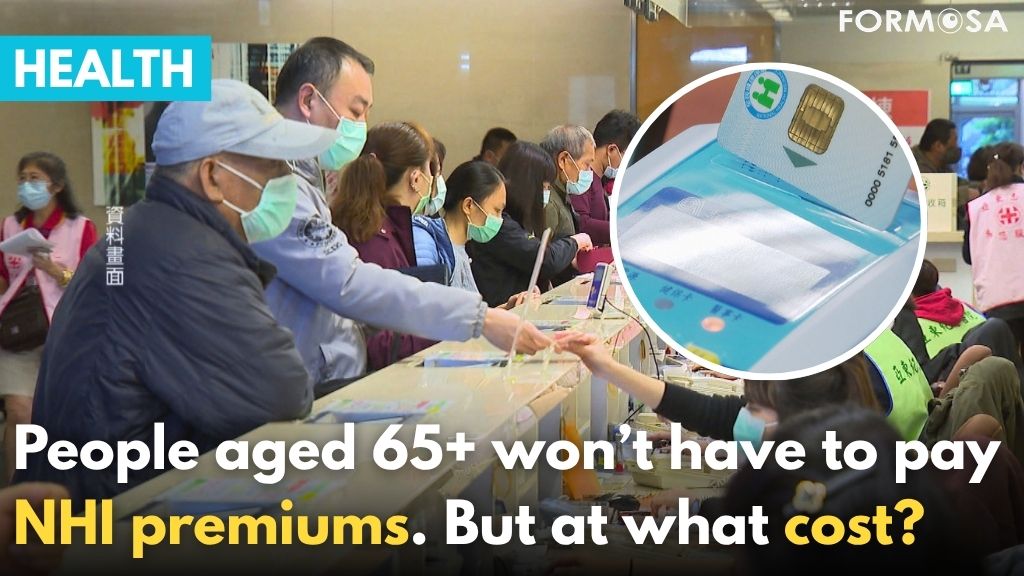
Now that Taiwan is a super-aged society, demand for elderly care continues to grow and welfare resources are increasingly scrutinized. The Legislative Yuan recently passed a bill exempting people aged 65 and older from National Health Insurance premiums starting next year, and this has prompted concerns about additional government spending and the potential financial burden on the younger generation, as well as whether other social welfare programs would suffer as a result.
The National Health Insurance system provides comprehensive healthcare to everyone in Taiwan and has earned international recognition for its range of coverage and services. Recently, the Legislative Yuan passed an amendment exempting people aged 65 and over whose income falls below the 20% tax rate from paying premiums, sparking widespread debate.
Hung Tzu-jen
Taiwan College of Healthcare Executives director
People aged 65 and over account for about 43% of healthcare spending, with average annual medical expenses exceeding NT$90,000 per person. These costs will continue to rise with inflation, squeezing funding for other areas, such as the Long-Term Care 3.0 project, salary adjustments for healthcare workers, and the pace at which new drugs and technologies are covered by NHI.
Liu Huan-jui
Taiwan Young Patient Association secretary-general
The Executive Yuan estimates that expanding NHI premium subsidies to people aged 65 and older would require nearly NT$40 billion in additional funding each year. While supporting older people in financial need is important, Taiwan must establish a fair and sustainable system to ensure the NHI has sufficient resources to improve care, introduce new drugs, and safeguard the health of all generations.
Experts estimate that 83% of people 65 and over will qualify for the premium exemption. While this could ease the financial burden for older people, the additional costs could be shifted to younger generations and affect other social programs.
Wu Yu-chin
Active Aging Taiwan chair
Taiwan’s NHI system, a source of great pride, is something everyone cherishes and hopes will be sustainable. But this amendment makes young people wonder if they will have to shoulder the cost of NHI in the future, which would be unfair to them.
As the government adjusts its policies to support the nation’s aging population, it’s a challenge to ensure resources are allocated fairly and effectively.
For more Taiwan news, tune in:
Mon to Fri at 9:30 pm on Channel 152
Tue to Sat at 1 am on Channel 53
#NHI #seniors #agingsociety #socialwelfare #amendment #premiums #exemptions #bill
部分65歲以上長者免繳健保費 資源分配成考驗
2026-10-28
台灣邁入超高齡社會,長者照顧需求持續增加,社福資源備受關注,立法院近日三讀通過,65歲以上長輩明年起免繳健保費,但消息一出,民眾擔心政策一旦上路,增加的財政成本該怎麼補,甚至未來其他社福資源是否受到排擠,都是一大問題。
台灣健保上路以來,提供國人健康保障、完善醫療服務,這套制度更可視為國際標竿,但立法院近日三讀通過"老人福利法"第22條修正案,65歲以上、所得稅率級距未達20%的長輩,明年起免繳健保費,引發廣大討論。
台灣醫務管理學會理事長 洪子仁
“65歲以上的長者,他們的醫療利用率大概是43%左右,也就一年大概是使用平均,每一個人是九萬多塊的醫療費用,這個預算會隨著,通膨的費用會不斷的增加,勢必會排擠到譬如說,我們的長照3.0,我們基層醫護人員的薪資的調整,排擠我們新藥跟新科技納入健保的一個速度”
[[台灣年輕病友協會秘書長 劉桓睿]]
“行政院推估,如果擴大補助65歲以上的長者健保費,一年就需要額外撥補將近四百億元新臺幣,照顧經濟弱勢的長者固然重要,但我們更需要建立公平,永續的財務制度,讓健保有足夠的資源,改善醫療環境引進新藥,保障所有世代的健康”
據統計,政策一旦上路,全台高達83%長輩符合免繳資格,表面上替長輩減輕負擔,實則增加的財政成本,卻變轉嫁年輕世代,甚至未來其他社福資源,也可能受到影響。
[[台灣活力老化推展協會榮譽理事長 吳玉琴]]
“臺灣引以為傲的健保的制度,其實是大家都很珍惜,希望健保永續,那這一次的修法會讓年輕人覺得,是不是接下來健保的相關的費用,由年輕人來負擔,這個對於年輕人的世代的一個不公平”
面對人口老化、社會福利資源如何有效分配,才是現實考驗。
更多新聞內容,請鎖定:
民視台灣台(152頻道)週一至週五晚上9:30
民視新聞台(53頻道)週二至週六凌晨1:00
Related News