Volunteers plant saplings to bring back old growth forest on the Dadu Plateau
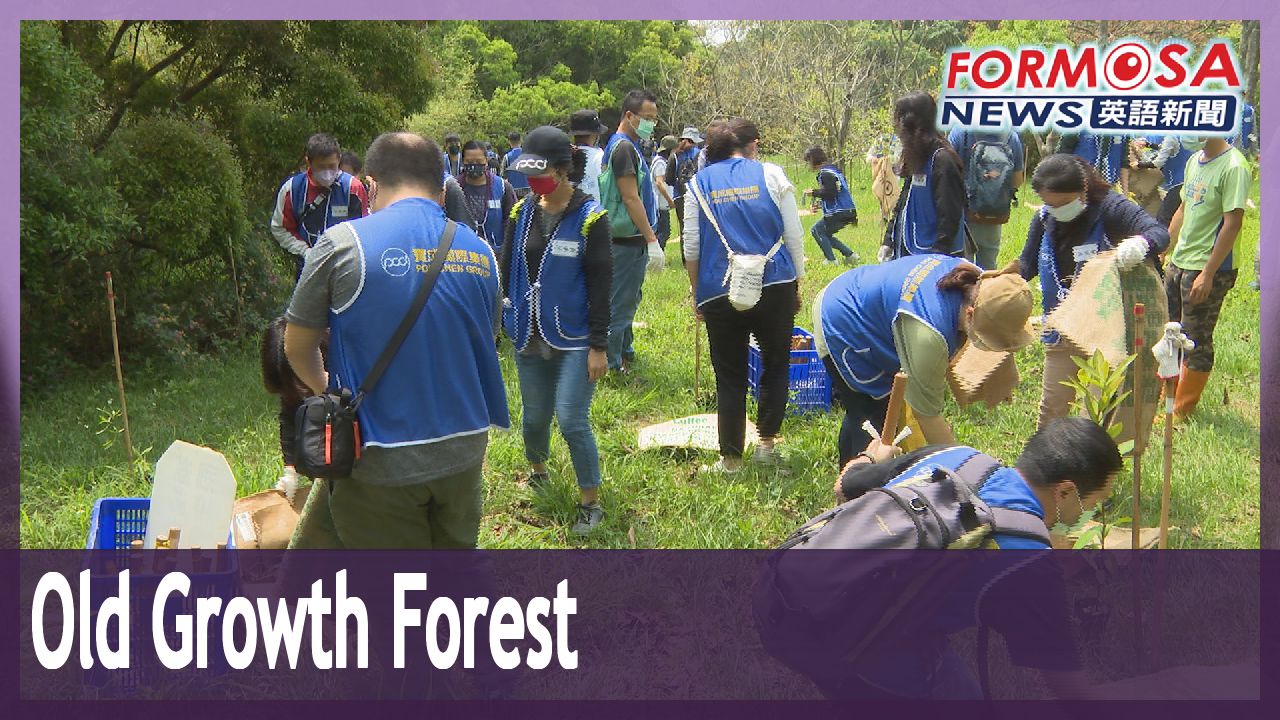
Volunteers plant saplings to bring back old growth forest on the Dadu Plateau
2023-07-18
A major project to bring back old growth forest is underway on the Dadu Plateau. The mountainous area is just a short drive from central Taichung. It was once home to a forest of exceptional biodiversity. But after being overplanted with Acacia trees, it lost its original health and splendor. Now the Taiwan Reforestation Association is determined to help it regenerate. After many years’ work, it recently celebrated planting 10,000 saplings on the plateau. They’re all from native species that will help bring back a rich and vibrant ecosystem.
Volunteers are hard at work planting saplings under the midday sun on Dadu Plateau.
Lin Yu-teh
Volunteer tree planter
We’ve destroyed the environment a lot, so we need to protect it now. That includes the global warming or extreme climate events of the last few years. Lots of that is because the environment can’t cope with the pressures we’re putting on it.
The saplings include about 20 species native to the plateau, such as Taiwan Adminandra and Taiwan Maesa trees. The team hopes they’ll put down deep roots and help increase the diversity of the forest here, bringing back the kind of old growth forest that covered the plateau 100 years ago.
Tsai Chih-hao
Taiwan Reforestation Association
This biodiversity, having so many tree species, means the timing of the flowers blossoming is staggered. That’s the only way to give our wild bees a chance to survive. It’s also an important reason why we’re promoting the regeneration of natural forests.
Many years ago, large numbers of Acacia trees were planted on the Dadu Plateau, which harmed its original biodiversity. Lots of buildings have popped up here recently, too, biting further into the old growth forest. Only about 20 of the original tree species are left. But the Taiwan Reforestation Association wants to bring the ancient ecosystem back to life. It compiled a list of plants native to the area from specimens and documents left by Japanese colonial-era scholars. Now a team of volunteers has tramped many kilometers over Baguashan, Toukeshan and Huoyanshan to find seeds of those old species. The seedlings have been carefully cultivated and now it’s time to plant them.
Tsai Chih-hao
Taiwan Reforestation Association
The social costs of each tree are NT$1,000, from cultivating the seed into a sapling to planting it.
It’s a long and arduous process. But after years of hard work, more than 10,000 saplings have been planted. The team hope that many decades from now, the branches and roots of these trees will still be nurturing new life on the plateau.
大肚山原生林大量消失 保育志工帶頭復育
2023-07-18
大肚山緊鄰台中市區,是重要的都市綠肺,近年來因為過度開發,很多樹林遭到剷除,尤其原生種的植物大量消失。幸好有一群志工,他們致力於復育大肚山的"原始林",不辭辛勞,到鄰近的山區採集原生樹種,從育苗到植栽,已經為大肚山,種下了一萬多棵樹苗。
頂著大太陽,志工們在大肚山上,種下一棵棵的樹苗。
[[植樹志工林昱德]]
“我們破壞這個環境很多,所以需要把它保護回來,包括這幾年像是全球暖化或是氣候異常,很多都是因為環境沒有辦法去負荷,我們所帶給它的這些壓力。”
這些樹苗包括台灣楊桐、台灣山桂花,大約20種,都是大肚山原生種的植物。希望它們往下扎根,能恢復百年前,大肚山原始林的樣貌,讓森林更有多樣性。
[[台灣山林復育協會理事長蔡智豪]]
“這個生物多樣性,就是有這麼多樹種,它們有辦法錯開開花時序的時候,它才有辦法讓我們野生的蜜蜂有存活的機會,這也是我們現在在推動天然林復育的重要原因。”
大肚山早年被大量種植相思樹,缺乏生態多樣性,加上近年來土地大量開發,原始林不斷被剷除,原生樹種只剩下20種左右。為了復育原始林,台灣山林復育協會,從日治時期學者採集的標本和文獻資料,比對出112種大肚山原生植物,再由志工們,跋涉到十幾公里外的八卦山、頭嵙山、火炎山的原始林尋找原生植物的種子,育苗後,再種回大肚山。
[[台灣山林復育協會理事長蔡智豪]]
“從採種培育它變成樹苗,到我們把它種下去,一棵的社會成本要1000元。”
雖然過程辛苦又漫長,但經過多年的努力,已經種了一萬多株的原生種苗,要讓大肚山的森林,恢復寶貴的生物多樣性。
Related News