Exiled Chinese journalist Su Yutong tells her story
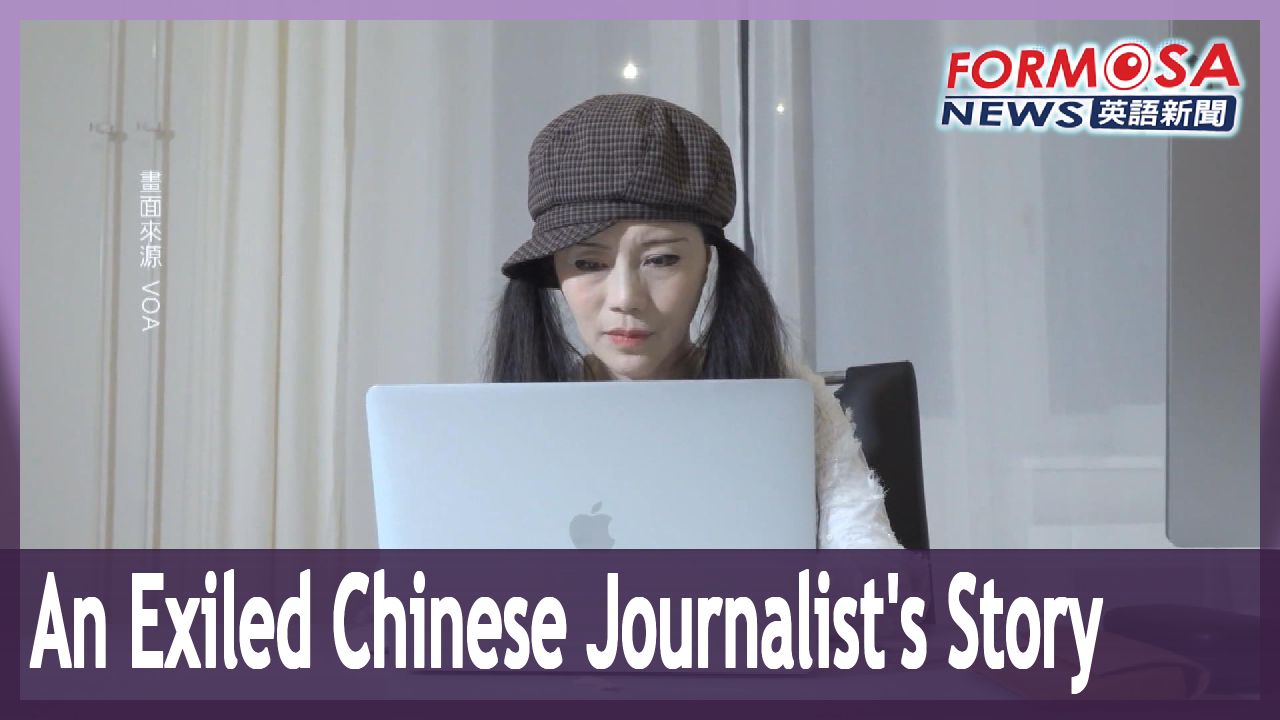
Exiled Chinese journalist Su Yutong tells her story
2024-05-03
May 3 marks World Press Freedom Day. When Chinese journalist Su Yutong fled her home country in 2010, she thought she would find safety. However, even while living in exile in Germany, she discovered she is not free from China’s reach. From Berlin, Voice of America’s Liam Scott has Su’s story.
Su Yutong has become a skilled chef. Cooking dishes she loved in Beijing connects the journalist with her home country and helps fill the long periods spent home alone. The reason for her self-imposed isolation: years of attacks and threats from China.
Su Yutong
Journalist
“I keep telling the truth, so they [China] want me to shut up, including by threatening me.”
Sharing a banned book on Tiananmen Square back in 2010 began Su’s troubles. Police raided her home in Beijing and held her under house arrest. But with the help of friends, she escaped to Europe. For a while, Germany’s capital provided a sense of safety. Su wrote human rights stories for Deutsche Welle and then Radio Free Asia. But the sense of safety soon disappeared. In 2022, strange men started turning up at her building, brought there by an underground sex website that listed her address.
Su Yutong
Journalist
“I felt very disgusted and very humiliated, and I had some mental health problems at the time. I was afraid to walk down the street.”
The worst was yet to come. In 2023, assailants used Su and two Chinese activists’ identities to book rooms at luxury hotels in Berlin and other cities. Then, they called in fake bomb threats. Experts say that Su’s case is extreme even for Beijing, which ranks among the worst perpetrators of transnational repression.
Mareike Ohlberg
German Marshall Fund
“The basic tactics of transnational repression are usually geared toward showing people that they can’t get away from the Chinese government.”
The driving goal, says Ohlberg, is to stop any criticism of China overseas. Neither China’s embassy in Berlin nor its foreign ministry responded to VOA’s requests for comment. Being targeted is a lonely experience. Over a two-year period, Su barely left her apartment. She says even something as simple as a walk in the park can feel tinged with danger. But now, Su says she feels less afraid.
Su Yutong
Journalist
They didn’t expect me to slowly come out of that shadow. I think they should be afraid, not me. They can’t shut me up.
Her life is fuller again, but Su’s apartment is still sparse. After the 2023 incidents, police recommended she move. When she did, she left nearly everything behind. Except the tools needed to keep reporting. In one way, says Su, there’s a sense of comfort in knowing that Beijing is scared too. If they weren’t, Su believes, they wouldn’t try so hard to silence her.
Liam Scott, VOA News, Berlin.
For more Taiwan news, tune in:
Sun to Fri at 9:30 pm on Channel 152
Tue to Sat at 1 am on Channel 53
世界新聞自由日 認識流亡德國的中國女記者蘇雨桐
2024-05-03
五月三日是世界新聞自由日。透過美國之音的報導,我們為你帶來中國逃亡記者蘇雨桐的故事。2010年,因為中國的壓迫,她逃離祖國到了德國,然而,來自中國的威脅卻依舊如影隨形。
蘇雨桐展現精湛的廚藝,烹飪著在北京時最喜愛的菜餚,間接建立和祖國的聯繫,也填補漫長的獨處時光。中國多年的攻擊和威脅,成為她選擇自我孤立的主因。
[[記者 蘇雨桐]]
“我一直在講真相,所以他們[中國]利用威脅等方式,要讓我閉嘴”
2010年,她分享了一本關於天安門事件的禁書,開始了她的苦難。警察突擊她在北京的家,並將她軟禁在家中,在朋友的幫助下,她逃到了歐洲,在德國安全的過了一段時間。蘇雨桐替德國之聲撰寫人權故事,接著又在自由亞洲電台工作。但很快,安穩的日子變了調。2022年,她居住的大樓附近開始出現陌生男子,那些上門的男子是被一個地下性交易的網站吸引而來,因為網站上寫著她的地址。
[[記者 蘇雨桐]]
“我感覺非常噁心,受到羞辱,我開始出現一些心理方面的問題,我不敢走在街上”
然而,這還不是最糟的。2023年,有人冒用她及另外兩位中國活動家的名字,在柏林和其他城市的豪華酒店訂房,隨後附帶炸彈攻擊的威脅。專家表示,北京被認為是跨國恐嚇行為中,最嚴重的國家之一,而針對蘇雨桐,北京更是用了相當極端的方式。
[[德國馬歇爾基金會 Mareike Ohlberg]]
“跨國恐嚇行為的基本策略,通常都是為了告訴他們,他們是無法逃離中國政府的”
Ohlberg表示,中國的目的是要防堵來自海外的批評,對此,中國駐柏林大使館及中國外交部都不願對美國之音的尋問作出回應。整整兩年,蘇雨桐幾乎沒有離開自己的住處,因為即使是在公園散步這樣簡單的事情,也能讓她感受到危險。但現在,蘇雨桐說她覺得不那麼害怕了。
[[記者 蘇雨桐]]
“他們沒有料到我會慢慢地走出陰影。我覺得應該害怕的是他們,不是我。他們無法讓我停止發聲”
蘇雨桐恢復了豐富的生活,但住處卻相當簡潔。2023年的事件發生後,警方建議她搬家,搬家時,除了報導所需的工具,她幾乎留下了所有的東西。蘇雨桐說,知道北京因為害怕,盡全力想要她保持沉默,從某種意義上而言,反而讓她感到安慰。
更多新聞內容,請鎖定:
民視台灣台(152頻道)週日至週五晚上9:30
民視新聞台(53頻道)週二至週六凌晨1:00
Related News