Care workers at children home are severely overworked
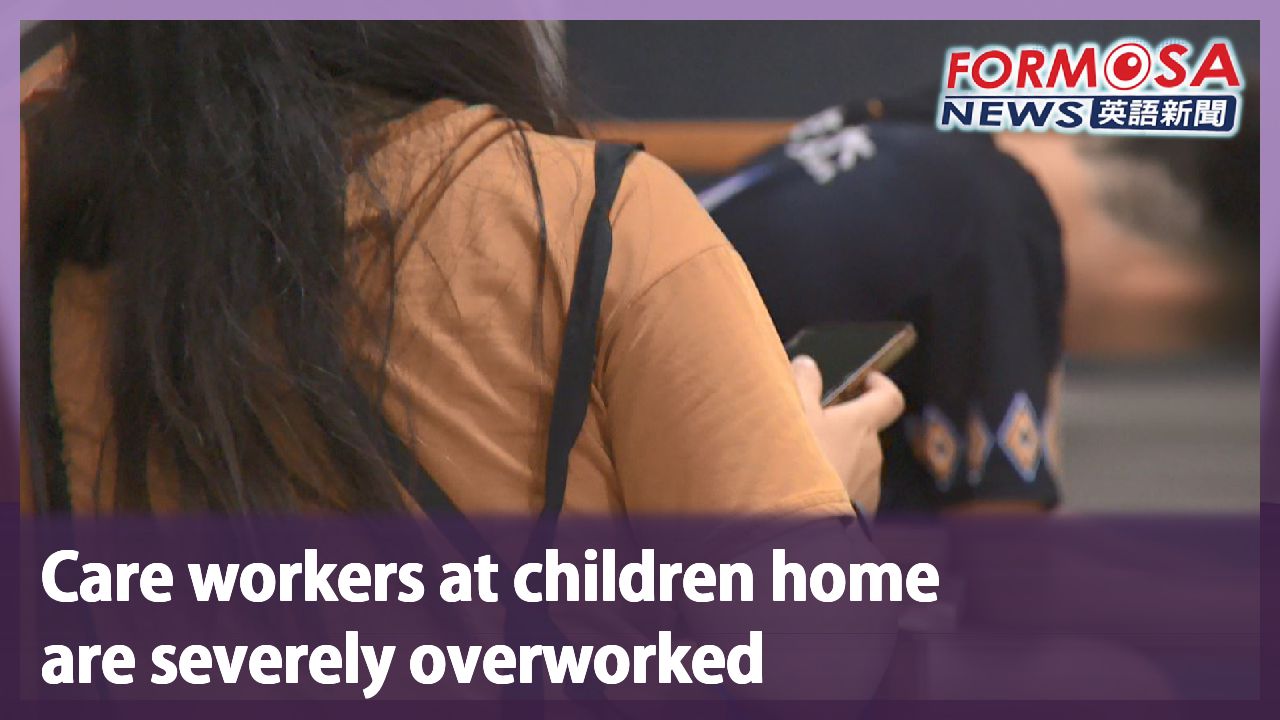
Care workers at children home are severely overworked
2026-08-11
Children entering child and youth welfare homes are severely traumatized. Their residential care workers often act as their “surrogate parents,” working 24-hours around the clock. However, spare a thought for these diligent and loving caregivers. They are also in need of care. Experts say that they are often overworked, exhausted and government funding is insufficient. Let’s find out more.
These children were happily playing cards in a circle. It was originally just for fun. But then one got angry and cried because it got too competitive. When dealing with children with high emotional tension, it is necessary to comfort and guide them.
Ya Hui
Youth and children’s home residential care worker
Some children will suddenly wake up in the middle of the night, crying loudly, and then they might rush to our staff room and bang on the door. I think that when you first start working here, you’ll be quite nervous at night.
Placement facilities serve as a new safe haven for many children who may have experienced domestic violence, sexual assault, or the death or incarceration of their parents. Their "surrogate parents"—residential care workers—must accompany them 24 hours a day to prevent conflict, with their daily lives tightly bound to the children’s. These combined pressures leave residential care workers physically and mentally exhausted.
Hsu Yu
Youth and children’s home CEO
Right now, the only strategy we see from the government to address this issue is throwing money at it—and not even significant funding, just a pittance. As a result, so many of our team members arrive full of enthusiasm, only to leave deeply scarred.
Wen Kuo-shih
Child and youth care NGO
We truly believe that if we take good care of caregivers, children will have a better chance. So we should take care of caregivers first, instead of expecting love to generate all their power.
The professional value and labor dignity of these residential care workers deserve sufficient support and respite. Only then can these invisible parents reliably catch every child and tighten the safety net for youth.
For more Taiwan news, tune in:
Mon to Fri at 9:30 pm on Channel 152
Tue to Sat at 1 am on Channel 53
#abusedchildren #childrenshomes #Taiwanesechildren #childrenswelfare #Taiwanesewelfare
兒虐通報量增 "替代父母"生活輔導員壓力大爆人力荒
2026-08-11
進到兒少家園的孩子們,都帶著嚴重創傷,到了安置機構,他們的"替代父母"、生活輔導員,往往要24小時全程陪伴,但這些接住孩子的大人,其實也需要被保護,而工作壓力,也造成人力嚴重流失,照顧比與現行法規,形成落差。
小朋友們圍成一圈開心玩卡牌,原本只是好玩,卻有人因為勝負欲太強,生氣大哭,面對高情緒張力的孩子,得安撫開導。
[[陳綢兒少家園生輔員 雅惠]]
“有些孩子會半夜突然驚醒,大哭,然後可能衝來生輔室敲門這樣,我覺得一開始來工作,一定會晚上會比較緊張”
安置機構是許多可能曾經歷家暴、性侵或父母雙亡、入監等原因的孩子們,新的避風港,他們的"替代父母"、生活輔導員,24小時得全程陪伴,防止衝突,生活起居高度綁定,種種壓力,都讓生輔員身心俱疲。
[[陳綢兒少家園執行長 徐瑜]]
“可是目前我們看到政府,可以回應這件事情的策略,只有丟錢,而且那個丟錢,還不是丟大錢,丟個小錢,所以很多夥伴,我們會看到的是,他帶著熱情來,可是他是帶著滿身的傷離開”
[[蛻變方成事執行長 文國士]]
“我們是真的很相信,照顧好照顧者,孩子就有機會更好,那我們就應該,先來照顧好照顧者,而不是期待愛能夠發電”
生輔員的專業價值及勞動尊嚴,該得到足夠的支持與喘息,這群隱形爸媽,才能穩穩接住每一個孩子,讓兒少的保護網,能夠更緊密。
更多新聞內容,請鎖定:
民視台灣台(152頻道)週一至週五晚上9:30
民視新聞台(53頻道)週二至週六凌晨1:00
Related News