Survey finds most parents satisfied with kindergarten teachers
Survey finds most parents satisfied with kindergarten teachers
2026-11-09
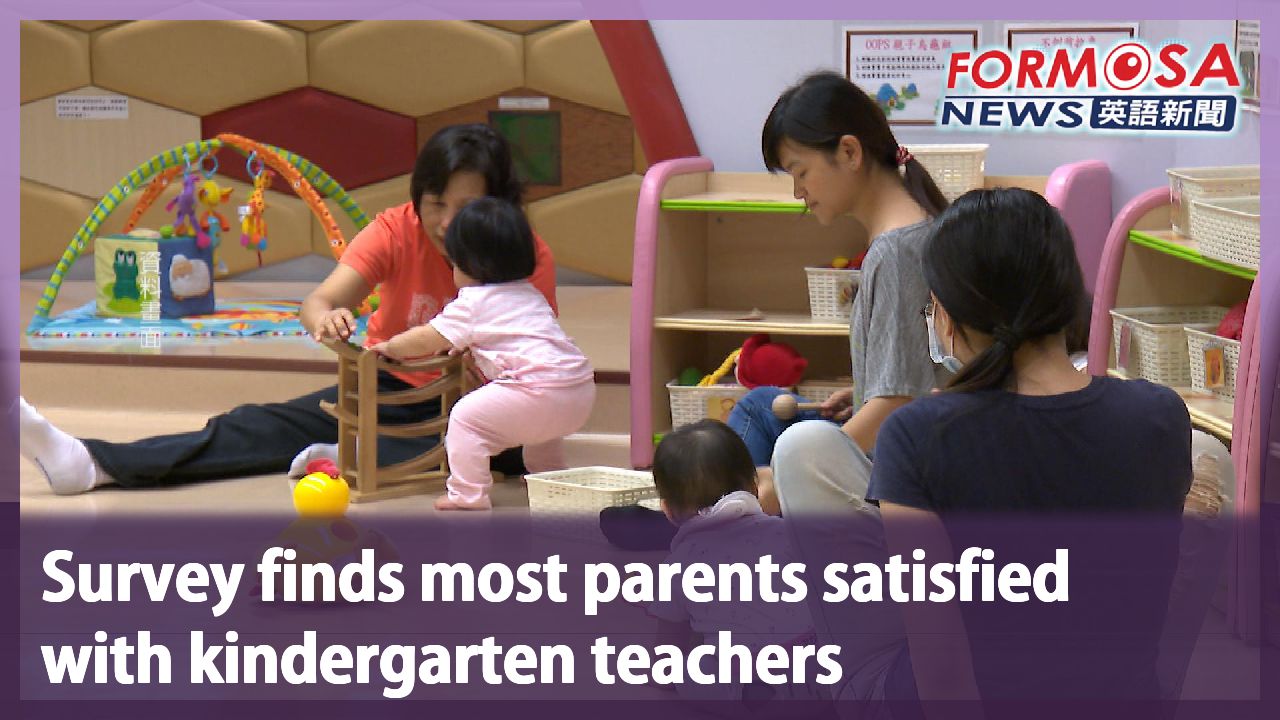
Parents have been worried by frequent reports of kids getting mistreated in kindergartens in recent years. Now they can breathe a sigh of relief. The Hsin Yi Foundation, a NGO focused on early childhood education and parenting support, conducted a survey of nearly 9,000 parents and teachers. It found that more than 90% of them were quite satisfied with their mutual relationships.
Taiwan faces a problem of a declining birth rate, where every child is the apple of their parent’s eye. In recent years there have been frequent reports of mistreatment in kindergartens. Parents can’t help but worry whether their kids are receiving good care there.
Mr. Lin
Parent
On the way home, during meals, and before bedtime, we have several opportunities for parent-child chats to clearly know what our kids ate at school and what happened. We observe the teacher’s attitude, their willingness to communicate, whether they listen to your feedback and whether they give you a positive response. I think this is very important.
Ms. K
Parent
To feel at ease, of course, is having trust in the school and the teachers. But that requires a period of time spent together and communicating before one can truly understand the teachers’ approach to children and their main teaching philosophies. I think it takes time and communication to build that trusting relationship.
The Hsin Yi Foundation conducted a survey of nearly 9,000 parents and teachers, and invited experts to investigate communication, cooperation, satisfaction, and trust between parents and teachers. More than 90% of parents and teachers were quite satisfied with their current relationship. However, further investigation revealed that the main challenge in parent-teacher cooperation stems from differences in their understanding of children’s needs, as well as differences in how the two parties approach cooperation and communication.
Chen Tse-pei
Hsin Yi Foundation
Actually, we communicate and face issues directly with parents rather than using the front line to block their concerns or respond to them superficially. We believe we should work together to solve problems and explore why the child experiences emotional issues when returning home. Ultimately, what they want to understand is the child’s peer relationships at school.
Only through effective communication and building trust can parents and teachers feel at ease, allowing children to grow up happily in a safer and more secure environment.
For more Taiwan news, tune in:
Mon to Fri at 9:30 pm on Channel 152
Tue to Sat at 1 am on Channel 53
#childrenswelfare #kindergartens #kindergartenteachers #Taiwanesechildren
幼兒園信任風暴 信誼基金會邀逾8千位老師.家長市調
2026-11-09
台灣逐年面臨少子化問題,加上幼兒園不當對待事件接連發生,不免引發家長擔憂、質疑,甚至衝擊對第一線教師們的信任感,信誼基金會針對近九千位家長和老師進行調查,探討親師之間的溝通、合作情況、滿意度和信任感,請來專家與家長們現場分享。
台灣面臨少子化問題,每個孩子都是爸媽的心頭肉,但近幾年幼兒園不當對待事件頻頻發生,家長不免擔心,把孩子送到幼兒園,能不能真的得到妥善照顧。
[[家長 林爸爸]]
“回家的路上,還有吃飯,還有睡前,我們都有好幾段的親子聊天的時間,清楚的知道小朋友在學校吃了什麼,然後發生什麼事情。觀察老師的態度,然後以及樂不樂意溝通,那你的意見老師有沒有聽進去,或者是老師有沒有給你一個正面的回答,我覺得這個是非常重要的。”
[[家長 柯媽媽]]
“會安心的話當然就是信任學校信任老師,那當然就是要經過一段時間的相處跟溝通,才有辦法說知道說,老師就是對待孩子的方式是什麼,對小朋友的主要的教學理念是什麼這樣子,就是我覺得要經過一段的相處跟溝通。”
信誼基金會針對近九千位家長和老師進行調查,請來專家探討親師之間的溝通、合作情況、滿意度和信任感,其中9成以上親師對目前關係相當滿意,但進一步發現,親師合作的挑戰,主要來自雙方對孩子需求、合作方式及溝通成效的認知差異。
[[信誼基金會 陳澤佩]]
“其實我們就是跟家長比較就是直接的溝通直接的面對,不會用第一線先阻擋家長這個擔憂的事情先來回應家長。就會覺得說,我們其實要共同解決這個問題一起探討說,孩子為什麼回家會有情緒問題,然後他想了解的是孩子在學校的夥伴關係。”
透過良好的溝通、建立信任,讓家長放心、老師安心,才能讓孩子們在更安全、安心的環境,快樂成長。
更多新聞內容,請鎖定:
民視台灣台(152頻道)週一至週五晚上9:30
民視新聞台(53頻道)週二至週六凌晨1:00
Related News