Employee tensions over management culture at TSMC US fab: New York Times report
Employee tensions over management culture at TSMC US fab: New York Times report
2023-03-03
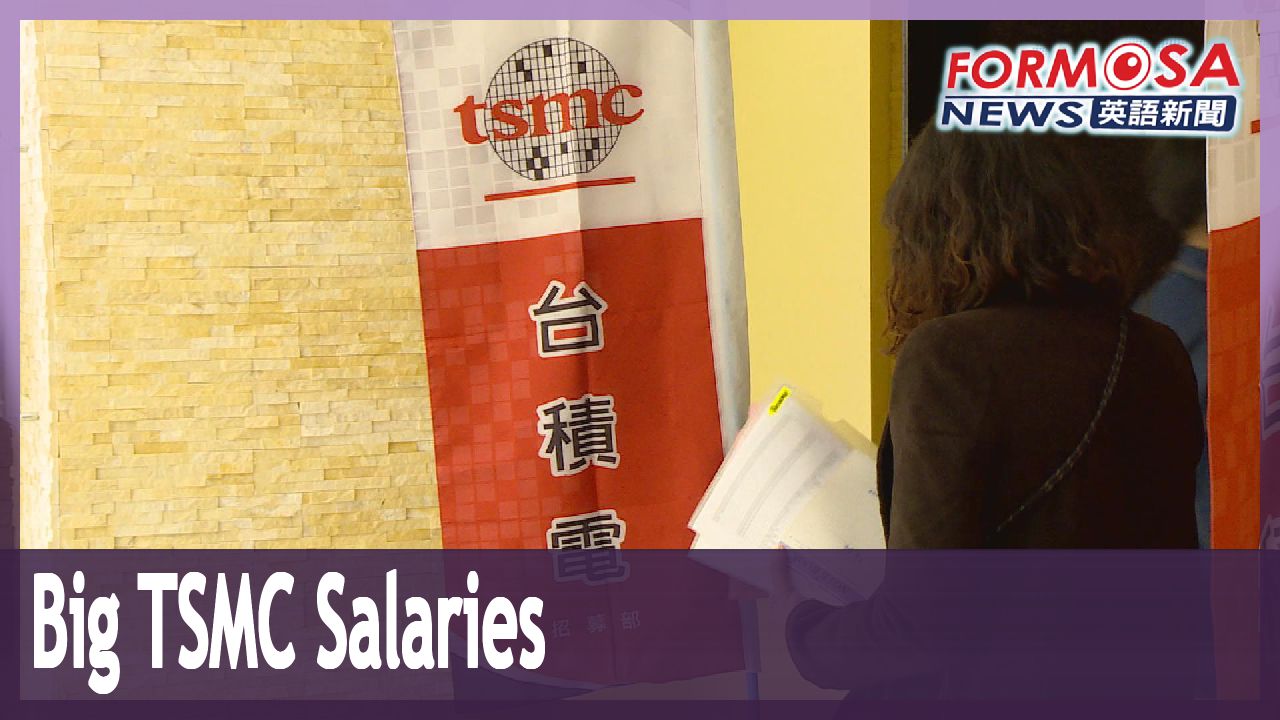
Reports claim that tensions are growing at the new TSMC chip manufacturing facility in the U.S. Employees at the fab in Arizona are dissatisfied with the managerial style of the Taiwanese chip giant, claims a report from the New York Times. The news has sparked debate about the viability of replicating East Asian tech industry norms in Western countries. Youtuber Wen Rui has linked the issue with Samsung’s growing pains when it expanded into the U.S. And others are pointing to the link between Taiwan’s silicon industry and increasingly robust support for Taiwan in the U.S.
TSMC has opened its new fab in Arizona. But U.S. employees are questioning the Taiwanese management culture in their new workplace. Even the New York Times has published a report on what it calls “rising doubts.” And YouTuber Wen Rui has commented, based on his experience working for Samsung. He says that Korean tech giants also went through culture shock when expanding into U.S. labor markets. He believes that TSMC has a successful operating model in Taiwan, and it could succeed in the U.S. too – but not without great difficulty.
Wen Rui
YouTuber
The whole success of the chip industry in Taiwan cannot be replicated. It has set the scope for a complete chip production chain, including low production costs. High-end chips will continue to be made in Taiwan. The U.S. must make a “compulsory action,” to protect Taiwan.
Wen Rui says the U.S. has realized the importance of Taiwan’s silicon industry. That’s one reason why, according to the Wall Street Journal, more U.S. troops are being stationed in Taiwan. Meanwhile, silicon industry consultant Chai Huan-hsin says: although TSMC technology is one step ahead of the competition now, it can’t get complacent.
Chai Huan-hsin
Photonics Industry Association
Engineers in Taiwan and South Korea have certainly been working flat out and busting a gut to stay ahead of the game. That’s why TSMC and also Samsung have been able to overtake Intel on advanced manufacturing processes in the last few years. But that doesn’t mean Intel is out of the game.
Industry experts say TSMC’s new venture in the U.S. highlights its weak international management skills.
Chai Huan-hsin
Photonics Industry Association
I wonder if Taiwanese engineers won’t be quite easily headhunted by Intel, or other semiconductor manufacturers, when their contracts expire. TSMC needs to think deeply about the bigger picture, to be fair to both U.S. and Taiwanese engineers.
It seems that TSMC’s workplace norms are not easily transplanted to the U.S. If the chip giant wants to make inroads in the West, it may need to be willing to remodel more than just silicon.
台積電赴美設廠 網紅:高端晶片應續留台灣
2023-03-03
台積電美國廠面臨文化衝突,管理台灣和美國員工挑戰多。曾任職三星的韓國網紅文睿,就拍影片指出,不只台積電,過去韓國公司赴美也有同樣問題,認為台積電在台灣已有成功營運模式,產業鏈完整,高端晶片還是應該在台灣生產,其他國家很難複製
台積電遠赴美國設廠,但美國員工不適應台灣管理文化,紐約時報也發表長篇報導。曾任職三星,熟悉半導體的網紅文睿,拍影片提到,過去韓國半導體公司赴美,也有文化衝突。他認為,台積電在台灣已建立成功營運模式,在美國可能成功,但會困難重重。
[[YouTuber 文睿]]
“台灣整個晶片產業整個狀況,它的成功是沒有辦法複製的,已經形成了規模了,完備的晶片產業鏈,也包括低成本,高端晶片還是在台灣做,美國就必須要做一個規定動作,就是要把台灣保護好”
文睿表示,美國認清台灣晶片重要性,所以華爾街日報才認為,是美國增加在台駐軍原因之一。專家認為,台積電技術雖然目前獨步全球,但不能掉以輕心。
[[光電協進會特約研究顧問柴煥欣]]
“台灣跟南韓的工程師,確實是有吃苦耐勞,爆肝優勢,所以說,這也是讓台積電,甚至是三星,在先進製程的部分,能夠在這幾年能夠反超英特爾,但也並不代表,英特爾就因此不行”
產業專家認為,台積電這次到美國,也凸顯出國際管理能力問題。
[[光電協進會特約研究顧問柴煥欣]]
“台灣工程師的約期滿之後,是不是就很容易,被英特爾甚至是其他半導體大廠挖角,(台積電)需要深思遠慮,對於美國工程師、台灣工程師,都能夠公平”
專家指出,台積文化用在台灣或亞洲地區可行,但如何在歐美地區,也發揮同樣效率,需要時間去摸索和改善。
Related News