Summer electricity rates to come into effect on Saturday
Summer electricity rates to come into effect on Saturday
2024-05-31
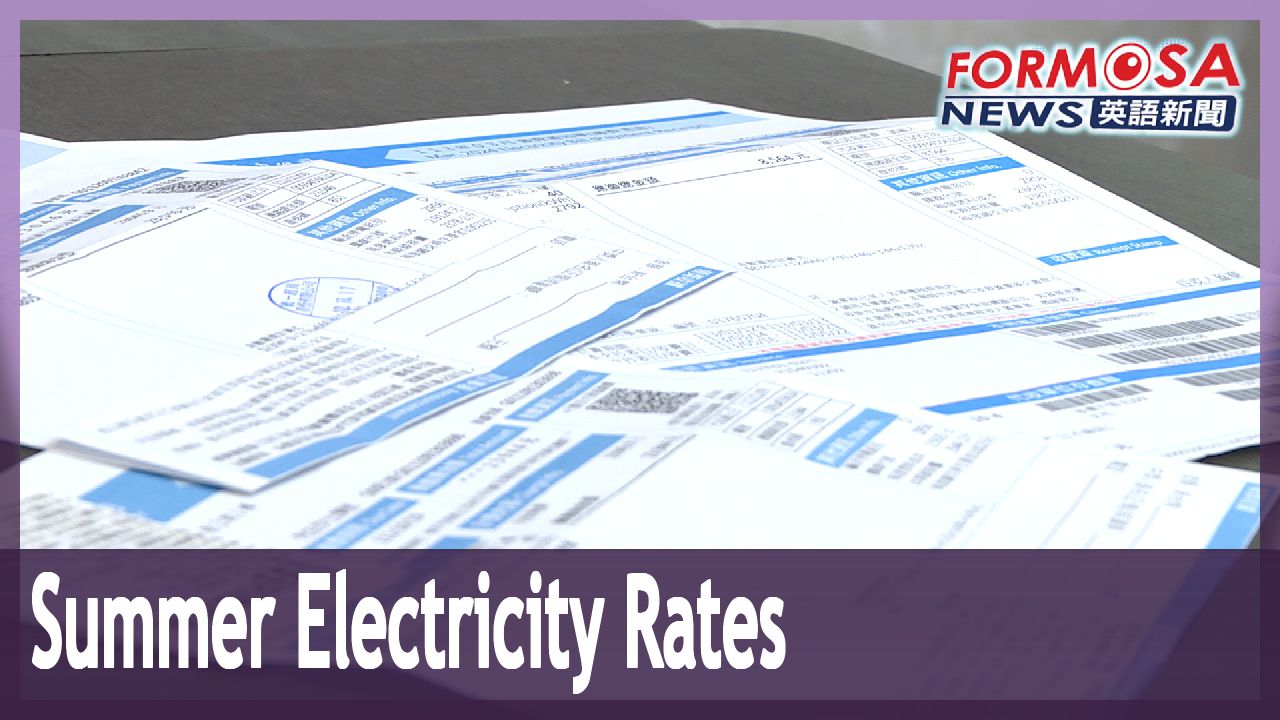
Summer electricity rates are coming into effect on Saturday. This year the rise will be easily felt, especially after the government hiked all electricity rates back in April. For many individuals and businesses, saving power is the name of the game. Let’s hear from a pet hotel owner.
David
Pet hotel owner
Our electricity bills for summer are very different from winter, because of the difference in temperature and air con usage. In our experience, summer bills are about twice as high as winter bills. With summer around the corner, we switched to a brand-new inverter air conditioner, which should help us save on electricity bills.
Summer electricity rates are coming into effect on Saturday. This year the rise will be easily felt, especially after the government hiked all electricity rates back in April. For many individuals and businesses, saving power is the name of the game. Let’s hear from a pet hotel owner.
For more Taiwan news, tune in:
Sun to Fri at 9:30 pm on Channel 152
Tue to Sat at 1 am on Channel 53
6/1實施"夏季電價" 寵物旅館開啟省電大作戰
2024-05-31
明天就是6月1日了!也將迎來夏季電價,也因為台電在今年4月開始,全面調漲電價,平均漲幅11%,因此這回民眾,避免荷包失血,可要加緊省電了。
[[寵物旅館老闆 David]]
“電費來講的話,然後加上冷氣開的時間跟溫度,都會跟冬天的時候不一樣,我們過去的經驗大概,夏天的電費會是冬天的兩倍以上。我們特地因應夏天的到來,換了一台全新的變頻式的冷氣,相當程度的節省我們的電費。”
從6/1開始,將實施夏季電費,民生用電最高級距,1度要收到8.46元,以一般家庭夏季平均月用電量413度、月電費為新台幣1023元來看,會比非夏季電費,增加430元。
更多新聞內容,請鎖定:
民視台灣台(152頻道)週日至週五晚上9:30
民視新聞台(53頻道)週二至週六凌晨1:00
Related News