From laundries to almond boneless chicken, Chinese Americans make mark in Detroit
From laundries to almond boneless chicken, Chinese Americans make mark in Detroit
2024-05-31
The Midwestern U.S. city of Detroit is known as the home of American automakers. What’s less known are the contributions of the Chinese residents throughout the city’s history.
Detroit may be known for its car industry, but there is something else famous among locals that can be found in the city and suburbs of Detroit. This signature dish: almond boneless chicken.
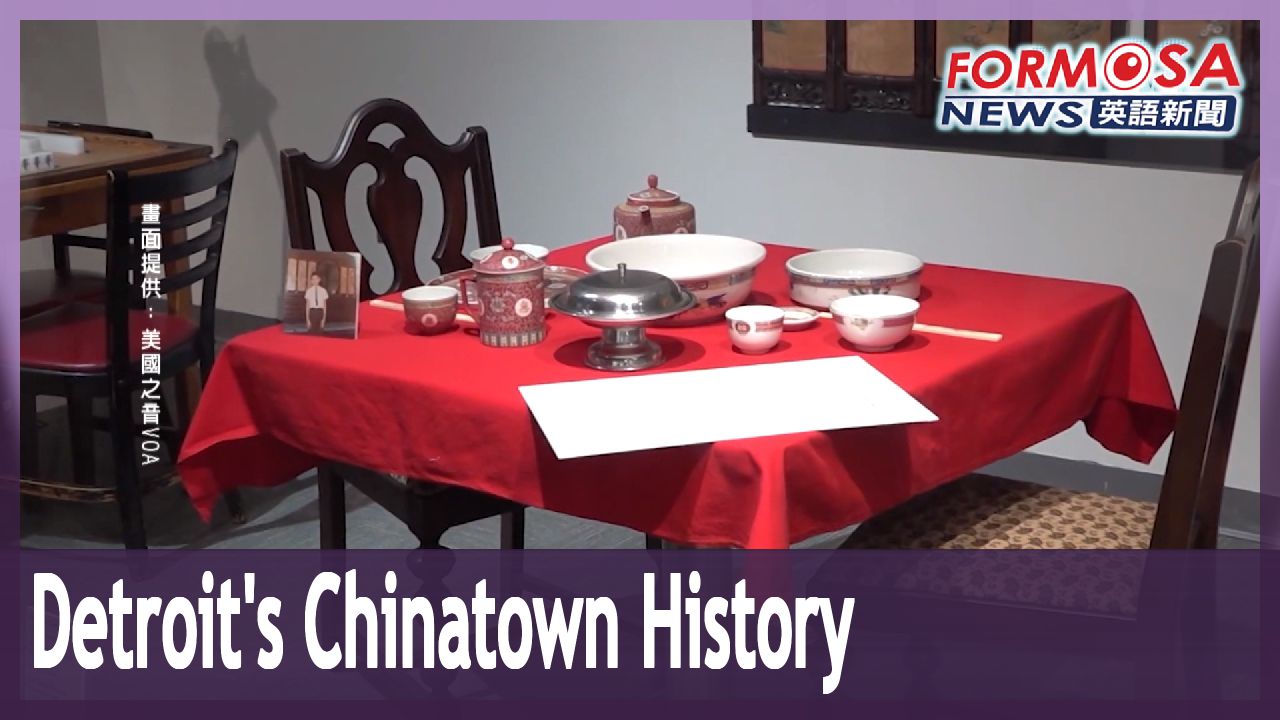
While its exact origins in the new world are unknown, local lore claims the dish is the product of Chinese immigrants from the early 1900s. It’s hugely popular in Detroit and the surrounding suburbs – a region with some 70,000 Chinese Americans. There used to be a centralized Chinatown here. Now, Detroit’s Chinatowns are only remembered in this museum exhibit. The first Chinese immigrants arrived in 1872, and established laundry businesses, which attracted more migrants from China. Some opened restaurants. Most of them were from Guangdong province in Southern
China.
Lily Chen
Detroit Historical Museum assistant curator
People come from this area, called Taishan, in Guangdong, China, and make it over to the U.S. in order to escape the level of poverty that they were dealing with at the time.
Many Cantonese-speaking immigrants faced new obstacles in their new home. In 1882, the Chinese Exclusion Act banned Chinese laborers from entering the U.S. with only a few exceptions. Those already living in the U.S. had to get permission to re-enter if they left the country. Chinese immigrants could only live in certain neighborhoods, but they kept coming.
Four years later, the U.S. repealed the Chinese Exclusion Act. Wing Lim Wong and his sister grew up in Detroit’s second Chinatown after the first one was forced to move for a new freeway in the 1960s. Their father worked in a restaurant, which he later bought.
Wing Lim Wong
Former Detroit Chinatown resident
At the age of like maybe 11 years old, you start learning, maybe you help out with waiting the tables.
The second Chinatown was in a rough part of Detroit, remembers Curtis Chin. He wrote about his family’s restaurant.
Curtis Chin
Author
The red light district. Yeah, it was terrible. I mean, it was tough. We were exposed to a lot of things growing up as a kid. You would see the prostitutes on the road all the time and coming into our restaurant, too.
Most of the businesses in Chinatown closed due to rising crime, including Wong’s. The area eventually revitalized with new businesses, but this no longer feels like Chinatown.
Wing Lim Wong
Former Detroit Chinatown resident
It’s not a Chinese community anymore down there and that’s the sad part.
Similar to many U.S. cities, the nexus of the Chinese community in Detroit assimilated into the suburbs and strip malls. But the memories of the Chinatowns live on out here and inside Chinese restaurants where almond chicken is still served.
For more Taiwan news, tune in:
Sun to Fri at 9:30 pm on Channel 152
Tue to Sat at 1 am on Channel 53
以汽車工業聞名的底特律 來自唐人街的特產「杏仁雞」
2024-05-31
位於美國中西部的底特律市以汽車製造業聞名,然而人們往往對城市歷史上華人居民的貢獻知之甚少,來自美國之音的報導。
底特律雖以汽車工業聞名,但在當地有另一個讓人引以為傲的特產「杏仁雞」。
傳說,這道菜是早在20世紀初,由華裔移民帶來底特律的,在底特律及其周邊郊區非常受到歡迎,這裡有大約70,000的華裔美國人。此處曾經有一個唐人街,但現在只能在博物館的展覽中看到了。第一批華裔移民在1872年抵達這裡,他們開設洗衣店,吸引了更多來自中國的移民,大多來自中國南部的廣東省,其中有些人開設了餐廳。
[[底特律歷史博物館人員 Lily Chen]]
“人們從位於中國廣東的台山地區來到美國,目的是為了脫離貧困的生活”
許多說粵語的移民在他們的新家遇到了新的障礙。1882年,美國通過了《排華法案》,禁止華人勞工進入美國,只有少數例外。已經居住在美國的華人如果離開美國,則必須獲得再次入境的許可。華裔移民只能居住在某些區域,但他們仍然持續來到美國。
四年後,美國廢除了《排華法案》。Wing Lim Wong和他的姐姐在第一個唐人街被迫為1960年代的新高速公路讓路後,在底特律的第二個唐人街長大。他們的父親在一家餐館工作,後來買下了餐館。
[[前底特律唐人街居民Wing Lim Wong]]
“大概在11歲的時候就開始學習,可能會幫忙當服務生”
Curtis Chin在書中記錄,自家餐館在底特律第二個唐人街的經營情況。
[[作家Curtis Chin]]
“紅燈區。是的,那裡真的很糟糕。我們成長過程中曾經面臨各種困難。你經常可以看到路上的性工作者,他們甚至會走進我們的餐廳”
由於犯罪率的上升,唐人街大部分店家,包括Wing Lim Wong的店都已關閉,雖然現在漸漸復甦,但已不再有唐人街的感覺。
[[前底特律唐人街居民Wing Lim Wong]]
“已經不再是華人社區,這是令人悲傷的一部分”
與美國許多城市類似,底特律的華人社區已經融入了郊區和購物中心,但唐人街的記憶沒有消失,存在於那些仍然提供杏仁雞的中餐館裡。
更多新聞內容,請鎖定:
民視台灣台(152頻道)週日至週五晚上9:30
民視新聞台(53頻道)週二至週六凌晨1:00
Related News