The taste test to distinguish genuine Taiwanese tea from the imitators
The taste test to distinguish genuine Taiwanese tea from the imitators
2023-09-27
Taiwan’s tea leaf industry is worth more than NT$30 billion a year. But in recent years, cases of fake Taiwan tea that was grown overseas have made headlines. With Taiwan tea’s unique cachet justifying premium prices, plenty of unscrupulous tea sellers want in on the profits. How can consumers tell genuine Taiwanese tea apart from the imitators? According to farmers, the only solid method is to taste it. If you can taste a hint of citrus and it reminds you somehow of an island, that’s a good sign.
Pour in the hot water and wait one or two minutes until the leaves unfurl. The golden tea has a light, floral scent. Make sure to breathe in deep before taking a sip.
Hsieh Pei-lun
Tea farmer
Actually the most important way to determine the quality of tea is to drink and smell it – that’s the most precise way.
Tea experts have tricks to evaluate leaves. But in recent years, multiple tea merchants have been arrested for selling “premium Taiwanese tea” that was actually lower-grade Vietnamese leaves. As a consumer, how can you watch out for scams?
Hsieh Pei-lun
Tea farmer
As it stands, there’s actually no reliable way to distinguish Vietnamese and Taiwanese tea. We can only tell them apart by taste. For example, Taiwanese oolong has a slight hint of the island climate, and a fruity citrus note. Oolongs from Vietnam don’t have that in the same way.
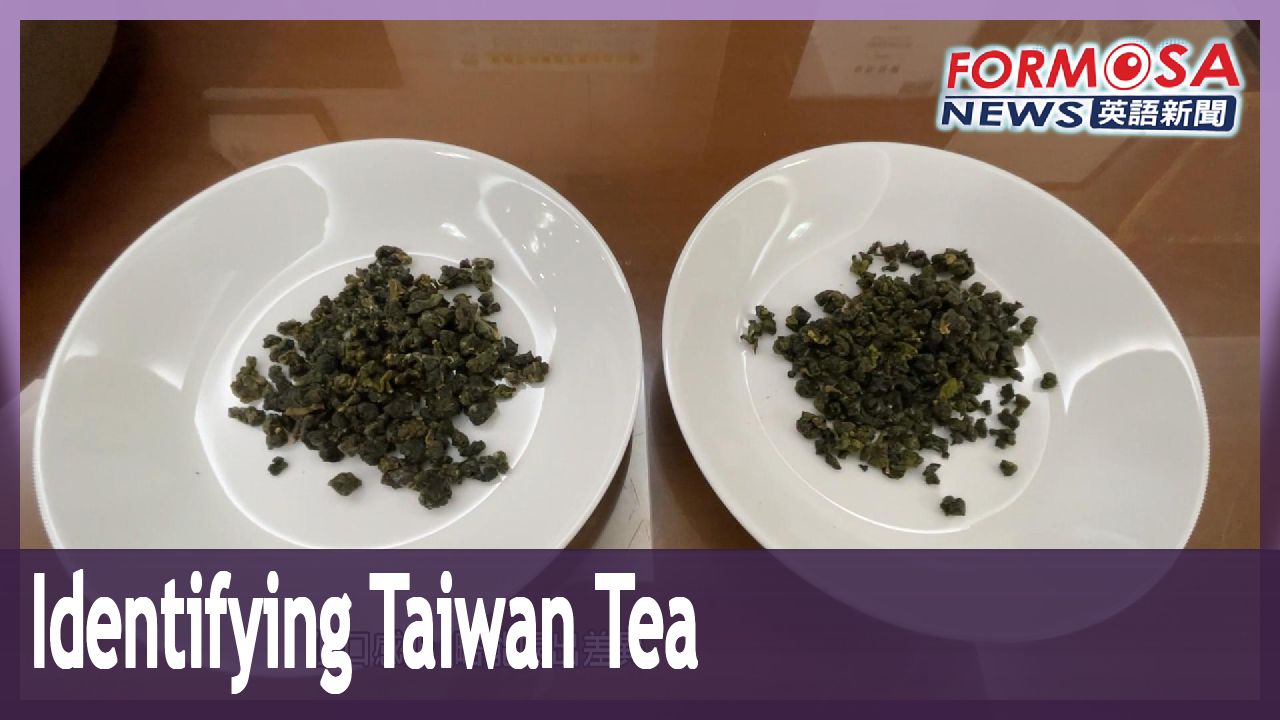
It’s hard to tell the leaves apart by sight, but you can taste the difference if you know what to taste for. For oolong, it’s that citrus note you should watch out for in genuine Taiwanese tea.
Voice of tea farmer
The Vietnamese farms use Taiwanese varieties of tea, Taiwanese growing methods and machines. The methods are all the same, so they’re hard to tell apart.
Hsieh Pei-lun
Tea farmer
Since Vietnamese teas came in, the Taiwanese Tea and Beverage Research Station has what they call DNA testing technologies.
Tea farmers say that fake Taiwan tea has proliferated in recent years, since Taiwanese teas and manufacturing processes arrived in Southeast Asian countries such as Vietnam, India and Thailand. The Ministry of Agriculture uses a “Multi-element Test for Tea” to identify the real thing, in hopes of protecting the name of authentic Taiwan-grown tea.
For more Taiwan news, tune in:
Sun to Fri at 9:30 pm on Channel 152
Tue to Sat at 1 am on Channel 53
境外茶混充高檔台茶牟利 外觀下手恐難分辨
2023-09-27
台灣茶葉產值,一年超過300億,就有不肖業者,覬覦這塊大餅,利用境外茶混充,謀取暴利;茶農坦言,這幾年,許多東南亞國家,引進台灣高山茶品種,以及製茶技術和設備,為揪出不肖業者,混目魚珠,農業部研發"茶葉中多重元素檢驗方法",清楚分辨茶葉身分,保護正宗台灣茶。
熱水一沖,等待一兩分鐘,讓茶葉好好舒展,金黃色茶湯,散發陣陣清香,入喉前,先聞一聞。
[[茶農 謝沛倫]]
“其實茶葉好壞,最重要還是要去聞去喝,才能最精準判斷”
如何品茶,達人有撇步,只是,近來不乏出現越南茶,混充台灣茶,高價販售,遭司法機關查緝案例,消費者是否能有方法自保。
[[茶農 謝沛倫]]
“其實目前為止,越南茶跟台灣茶,並沒有辦法有效的去分辨,我們只能從口感上來辨識,像台灣茶的烏龍茶會帶有一點,海島型的氣候的味道,就柑橘類的果香,越南的烏龍茶,就比較沒有這方面的味道”
從外觀下手,很難辨出台灣茶和越南茶,但口感上,略能喝出差異,以烏龍茶為例,台灣的帶有柑橘果香,越南的就沒有。
[[聲音來源:茶農]]
“(他們)用台灣品種,也用台灣技術、台灣機台,作法流程都一樣,所以不好分辨”
[[茶農 謝沛倫]]
“越南茶進來之後,其實台灣的茶改場,有所謂的DNA檢定技術”
根據茶農了解,由於越南、印尼及泰國等東南亞國家,這些年陸續引進台灣高山茶品種、製茶機具及技術,仿製生產,導致屢傳境外茶混充案件,現在農業部,以"茶葉中多重元素檢驗方法",驗明正身,捍衛在地「台灣茶」。
更多新聞內容,請鎖定:
民視台灣台(152頻道)週日至週五晚上9:30
民視新聞台(53頻道)週二至週六凌晨1:00
Related News