6.4 magnitude earthquake that shook Taiwan unusual
6.4 magnitude earthquake that shook Taiwan unusual
2025-06-12
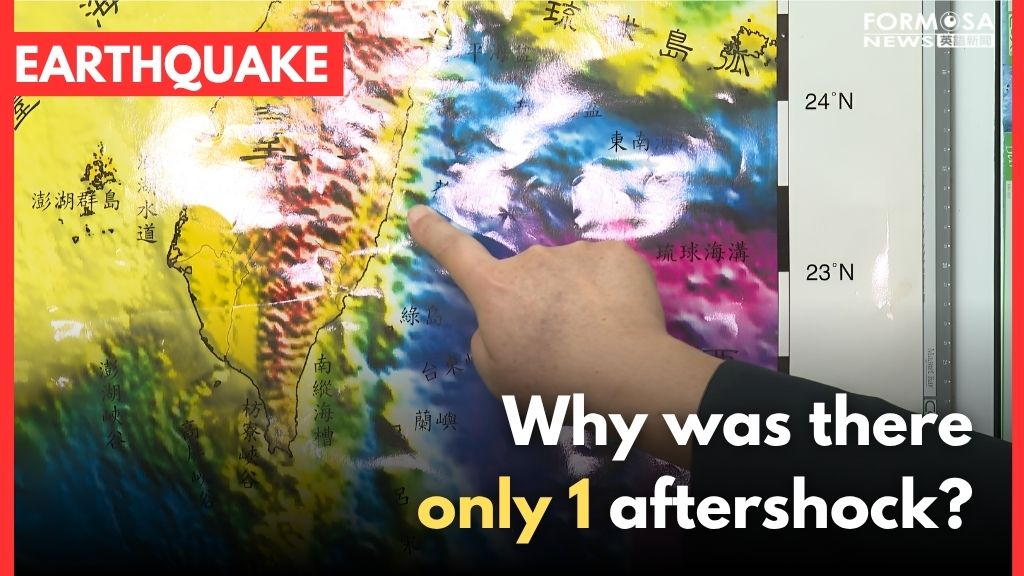
A 6.4 magnitude earthquake rocked Taiwan yesterday evening, and almost all of Taiwan received a presidential alert on the cellphone. Normally, a quake of this magnitude would likely be followed by multiple aftershocks. However, from the time the earthquake ended until the following morning, the Central Weather Administration only observed one perceptible quake, which occurred just after midnight. Let’s hear from a seismologist.
Kuo Kai-wen
Seismologist
Because some epicenters are farther offshore, and at a deeper point, there are no aftershocks. This is the case. Past experience tells us that after a relatively large earthquake, there are usually fewer aftershocks.
The location and the depth of the epicenter determine the number and size of aftershocks. This time, aside from blind spots in Hualien and Taitung near the epicenter, people in most other places received warnings 10 to 15 seconds before the quake struck. Experts affirmed the efforts of the CWA, but also reminded the public that not every earthquake epicenter allows the public to get a notice so far in advance. The best way is to be prepared for disasters at all times and respond immediately upon receiving an alert.
For more Taiwan news, tune in:
Mon to Fri at 9:30 pm on Channel 152
Tue to Sat at 1 am on Channel 53
# Taiwan #earthquake #aftershocks #地震
週三6.4地震"有感餘震僅1起" 氣象粉專憂:平均應至少5起
2025-06-12
昨天(11)晚間6.4地震,全台幾乎都在國家級警報範圍。但照理來說,這樣規模的地震,後續多半都會伴隨多個餘震。不過從震完到隔天早上,氣象署觀察到的有感地震,只有一起,發生在深夜12點01分。
[[地震專家 郭鎧紋]]
“因為有些(震央)比較外海,而且比較深一點的地方,一個餘震都沒有了,這樣子也是有。過去的經驗就是說,有比較大的地震發生了以後,事實上它的餘震通常都是比較少”
震央位置跟深度決定了後續餘震數量跟規模。這次除了震央附近的花東是盲區,其他地方大多都有提早10到15秒,收到預警。專家肯定氣象署努力,但也提醒民眾,不是每次震央位置,都能讓民眾有這麼多的時間來反應。隨時做好防災準備,收到警報立刻機警應對,才是根本之道。
更多新聞內容,請鎖定:
民視台灣台(152頻道)週一至週五晚上9:30
民視新聞台(53頻道)週二至週六凌晨1:00
Related News