Han Sheng 55th year exhibition held till July 28
An exhibition celebrating 55 years of Han Sheng Magazine is now underway at Songshan Cultural and Creative Park. The show explores the magazine’s vision of its legacy in preserving and promoting folk culture, design, and education. FTV reporter Stephany Yang gives us some highlights!
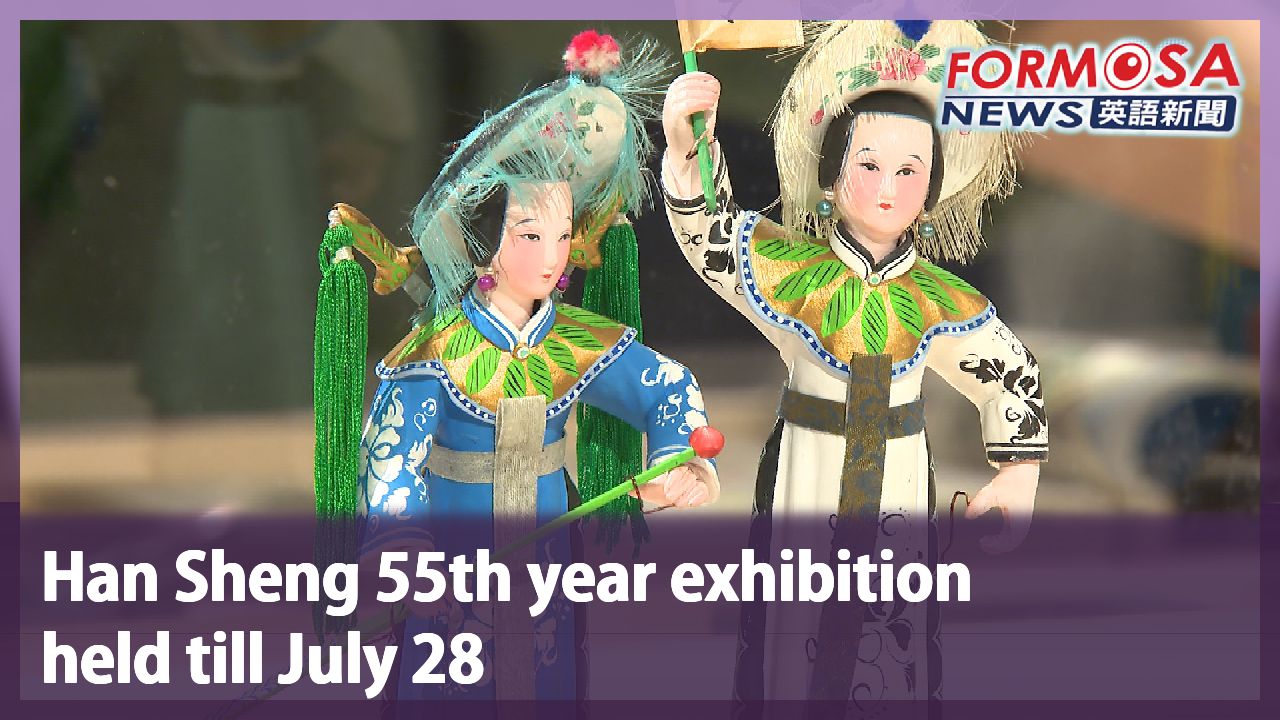
The exhibition offers a behind-the-scenes look into Han Sheng’s editorial process, featuring handwritten notes and field sketches by its editors and reporters. It showcases the magazine’s meticulous approach to cultural documentation. That includes the extensive research behind features about the Huishan Clay Figurines, a traditional folk art from Wuxi with over 400 years of history. As well as the in-depth reporting of Organic Reports, which explored Taiwan’s early organic farming movement.
Shih Cheng-yi
Curator
How did the experienced editors choose their topics back then? They focused on grassroots life among the common people, which still exists today. Or if something is on the verge of disappearing, like the Huishan clay figurines featured in this exhibition, they would pay special attention to it. The second criterion is urgent issues, for example, organic farming reports, which are related to the topic of pesticides. Not only were they very clear about their topic selection, but they also had specific research methods. When you’re researching something, what must you pay attention to? There are the ’4 Methods and 16 Principles,’ which we unveil in the exhibition.
Han Sheng was established in 1971 as a cultural publication and design studio to preserve and promote traditional folk arts, crafts, and culture. This exhibition celebrates 55 years of Han Sheng Magazine by exploring the magazine’s legacy, story, and future aspirations.
Shih Cheng-yi
Curator
In January 1971, Han Sheng published its magazine in English, to balance cultural exchange between East and West. At the time, the founder Wu Mei-yun, Linda, believed that Taiwan was too superficially or even negatively perceived abroad. Therefore, the magazine aimed to introduce Taiwan’s folk culture and everyday life. The first issue featured topics like Mazu worship and stinky tofu. Later issues introduced many artists, such as Ju Ming in his younger years, and folk artists working with materials like red copper. They later explored themes like food, clothing, housing, transportation, and entertainment. By 1978, the magazine transitioned to a Chinese edition, to bridge tradition and modernity, as many historical sites in Taiwan were being discarded or demolished at that time. The Chinese edition aimed to preserve folk culture. They produced 161 issues, forming a kind of cultural gene bank or a database of folk traditions. Now, it is being transformed into a digital archive, allowing more people in creative fields, such as designers, curators, artists, and photographers, to access and utilize it.
The exhibit is split into six themes and will be held at the Songshan Cultural and Creative Park until July 28.
For more Taiwan news, tune in:
Mon to Fri at 9:30 pm on Channel 152
Tue to Sat at 1 am on Channel 53
#hansheng #exhibition #events #taipei #hanshengexhibition #songshanculturalandcreativepark
2025-07-16