HPA encourages young people to consider child raising in life plans
HPA encourages young people to consider child raising in life plans
2024-06-12
The Health Promotion Administration has an educational campaign to encourage young people to reflect on whether or not they want to become parents. It recently released a booklet to encourage university and high school students to reflect on marriage and child-raising as part of their long-term life plans. Officials say that for many young people, it might be useful to hear how others have considered related questions, so they can make the choices that are right for them. As Taiwan’s birthrate continues to decline, the government wants to make sure that those who want to have children will be able to do so.
Hu Ning-jui
Banqiao Senior High student
When I think about issues like marriage and having children, I feel like I have no idea about anything.
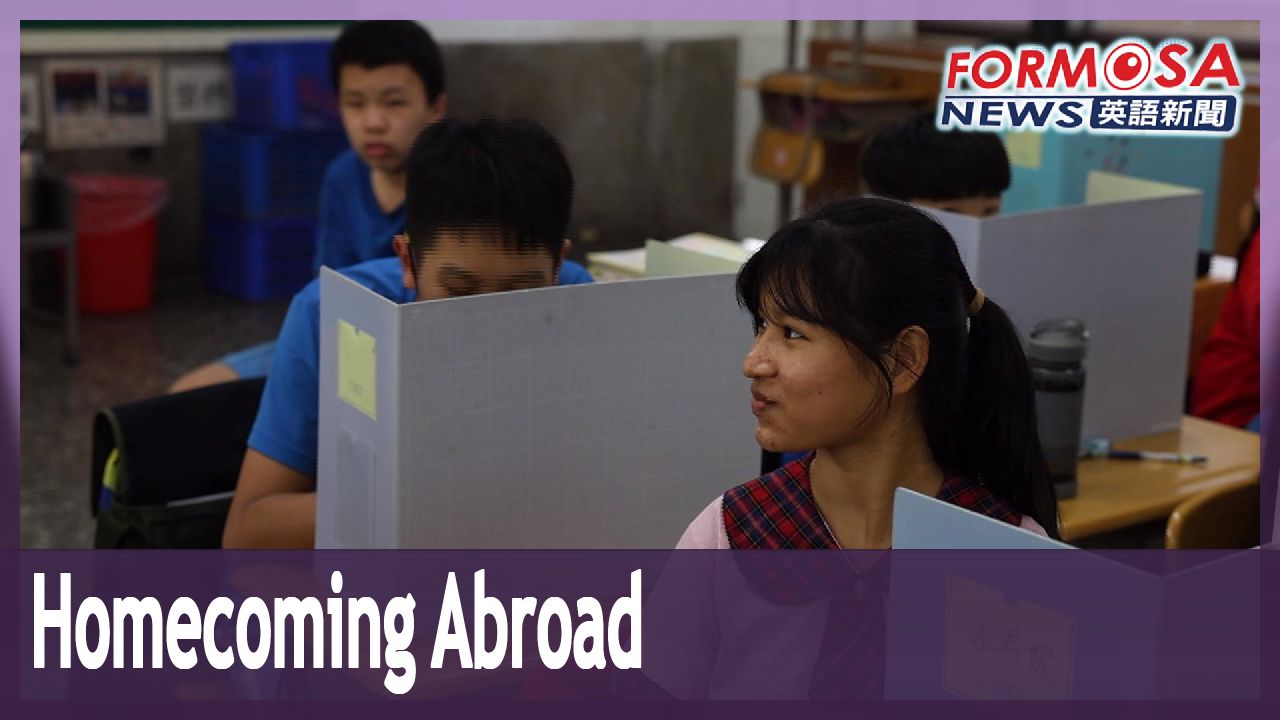
A high school student shares her uncertainty about the future. The Health Promotion Administration invited students to this press conference to share their personal experiences relating to planning their life journey.
Hu Ning-jui
Banqiao Senior High student
There are older girls around me, and I do notice that they are having some difficulties with the idea of having children.
Lin Chu-ying
NTNU student
After I finished reading the booklet, I thought that having children isn’t such a scary thing. If I put it into my career plan in advance, then actually it will work.
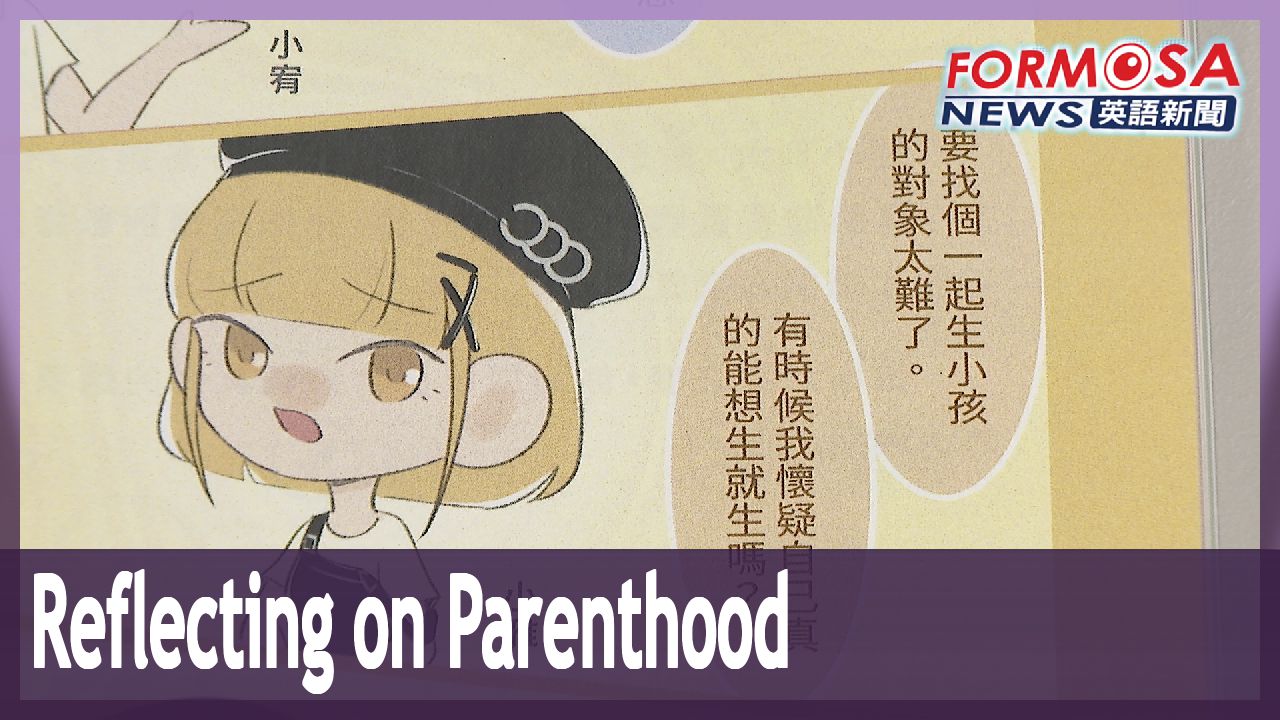
The booklet shares real people’s life experiences, and touches on questions like: “Is it a woman’s duty to have children?” “What role should a man play in a partnership?” And most important of all, the idea that a career plan isn’t just about studies, jobs and marriage plans: whether or not to have children is also something to plan ahead for.
Kao Sung-ching
Xingling Medical Foundation CEO
Whatever you decide is the right choice for you, whether you decide you want to have children or don’t want to have children. That’s what we mean by “reproductive sovereignty.” The point of education is to let you know how other people have come to make their decisions, that’s the real purpose of our education.
Wu Chao-chun
Health Promotion Administration director
Our main target audience is high school and university students. Of course, it’s also very suitable for us to introduce to slightly older people, young adults in the workplace, the concept that in your life plans, you can include love, marriage and family. Everyone is particularly clear about the issue of reproduction because of the falling birth rate.
The clearest indicator of a person’s probable fertility is their age. The HPA recommends that people who know they want to have children plan to have kids in the “golden” age range if possible, which is age 20-35 for women and under the age of 40 for men.
For more Taiwan news, tune in:
Sun to Fri at 9:30 pm on Channel 152
Tue to Sat at 1 am on Channel 53
國健署推"人生大事旅行手札" 籲提早進行生涯規劃
2024-06-12
生涯規劃不該只有學業、工作或婚姻,「生育」其實具有時效性,不少民眾錯過了適育年齡後,最終被動放棄生育,即使耗費再多的時間及金錢都挽不回,國健署編製人生大事旅行手札,呼籲民眾及早規劃,打造屬於自己的生涯藍圖。
[[板橋高中學生 胡寧芮]]
“當我在面對婚姻跟生育這個話題的時候,我其實是有點不知所措的”
這位高中生坦言,對於未來感到徬徨,國健署邀請學生族出席人生大事旅行手札發表記者會,讓年輕人說出心聲。
[[板橋高中學生 胡寧芮]]
“身邊有一些姊姊,然後我也會發現說,她們對生育是有點困擾的”
[[師範大學學生 林筑瑩]]
“讀完這本手冊後就會覺得說,(生育)它不是這麼可怕的事情,就是我提早把它放到我的生涯規劃裡面,其實是可行的”
這部手冊分享過來人經驗,包括生小孩是女生的義務嗎?男生又該在伴侶關係中扮演什麼角色?最重要的是,生涯規劃不該只有學業、工作或婚姻,生育或不生育也該早點規劃。
[[杏陵醫學基金會執行長 高松景]]
“不管你最後決定生或不生,對你來講都是正確的選擇,因為這叫"生育自主權",教育來講就是讓你知道這個過程,別人是怎麼做決定的,這個才是我們教育裡面該做的事情”
[[國健署長 吳昭軍]]
“以高中生跟大學生為主要的目標受眾,當然再更上的這些年輕在職場的,也是我們很適合讓他們來了解的,規劃裡面來講能夠納入這樣的一個愛情跟婚姻、家庭,一個正確的觀念,特別是在生育的問題上,因為少子化大家都很清楚”
少子化社會的現代,年齡是影響生育力的關鍵因素之一,國健署建議把握生理女性20-35歲、生理男性40歲前的黃金生育期。
更多新聞內容,請鎖定:
民視台灣台(152頻道)週日至週五晚上9:30
民視新聞台(53頻道)週二至週六凌晨1:00
Related News