A second Trump presidency sparks concern in East Asia
A second Trump presidency sparks concern in East Asia
2024-11-08
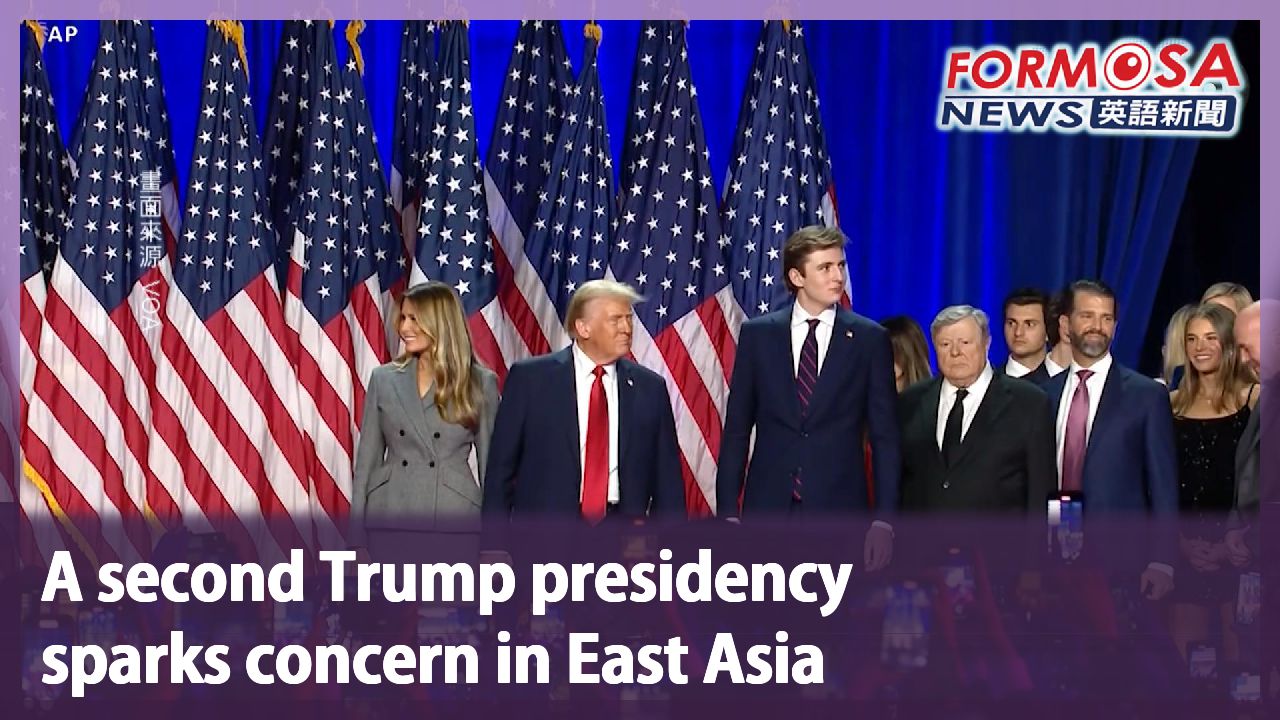
US allies in Asia are congratulating Donald Trump on his decisive victory in Tuesday’s US presidential election, but many in Asia also worry about what the return of his “America First” foreign policy means for their countries, as VOA’s Bill Gallo reports from Seoul.
In his first term as president, Donald Trump mixed high-profile threats with diplomacy as he pursued an unpredictable foreign policy. With Trump now returning to office, US allies and partners in Asia are trying to figure out what “America First” Round Two means for them.
In South Korea, President Yoon Suk Yeol was optimistic on Thursday, saying he and Trump will build a “perfect security posture.”
Yoon Suk Yeol
South Korean President
We talked about having strong solidarity and partnership in the Asia-Pacific and global region based on the South Korea-US alliance.
Many in Seoul are concerned Trump could strike a deal with North Korea, possibly without consulting the South. Trump has also continued to push South Korea to pay much more to host US troops, leading many in Seoul to question just how committed Washington is to its defense.
Japan has similar worries, although Prime Minister Ishiba Shigeru called his first talks with Trump “very friendly.” Ishiba’s ruling party last month suffered a major election defeat. If he survives as prime minister, some fear a weakened Ishiba could have trouble pushing back on Trump’s demands.
Taniguchi Tomohiko
Special Adviser, Fujitsu Future Studies Center
To deal successfully with Mr. Trump, you need to be strong. You need to be well endowed with your political capital. And that’s the thing that the Japanese leader – Ishiba, whoever – cannot show and cannot have.
In Taiwan, the government insisted its ties with the US remain “rock solid.”
But it also warned China may try to test the new US president through continued military intimidation of the island.
Trump has sent mixed messages on Taiwan, complaining it steals US manufacturing jobs and should pay if it wants US protection.
There are also widespread concerns about more Trump tariffs, and how an expanded US-China trade war would affect the region.
Bill Gallo
VOA News
Here in Asia many expect a transition away from the more values-based diplomacy of President Joe Biden toward something more transactional under Trump. But what exactly that looks like, is not clear.
Bill Gallo. VOA News. Seoul, South Korea.
For more Taiwan news, tune in:
Sun to Fri at 9:30 pm on Channel 152
Tue to Sat at 1 am on Channel 53
川普重返白宮 亞洲國憂"美國優先"2.0 恐重塑國際政治
2024-11-08
美國前總統川普在週二的美國總統選舉中獲得勝利,當選為第47任美國總統。美國的亞洲盟友紛紛表示祝賀,但許多亞洲人也擔心,川普提出的"美國優先"外交政策,可能會從根本上重塑國際政治。來自美國之音的報導。
在川普首任總統任期中,利用重大威脅當成外交手腕,實施無法預測的外交政策。現在,川普重返白宮,許多美國的亞洲盟友和夥伴都在試圖分析美國優先2.0帶來的影響。
週四,南韓總統尹錫悅樂觀表示,他和川普創建一個"完美的安全態勢"。
[[南韓總統 尹錫悅]]
"我們談論有關亞太地區、韓美同盟的一致性和以及夥伴關係。"
然而,在首爾,許多人擔心川普可能未經南韓協議,與北韓達成協議。川普還繼續要求南韓付出更多資金讓美國部隊駐紮,這使首爾的許多人質疑華盛頓對軍事防衛的承諾。
日本也有相同擔憂,雖然首相石破茂表示,他與川普的首次談話"非常友善"。石破茂的執政黨上個月選舉慘敗,如果他繼續擔任首相,有些人擔心勢力削弱的石破茂無法抵抗川普的強硬要求。
[[富士通未來研究中心特別顧問 Tomohiko Taniguchi]]
"要成功地與川普打交道,你需要堅定立場,你需要拥有足夠的政治資源。這是日本領導者石破茂無法表現的。"
台灣政府稱與美國的關係仍然"堅若磐石"。但同時也意味著中國可能會試著繼續藉由對台灣的軍事威脅來試探新的美國總統。
川普對台灣的態度變化不定,他曾抱怨台灣搶走美國的晶片生意,並表示如果要美國軍事保護,他們應該付防務費。
人們也擔心,川普關稅以及擴大的美中貿易戰的影響。
[[VOA記者 Bill Gallo]]
"在亞洲,許多人期待從拜登總統的基於理念的外交政策轉成川普的交易式外交。但具體會變成什麼樣,目前尚未明瞭。
更多新聞內容,請鎖定:
民視台灣台(152頻道)週日至週五晚上9:30
民視新聞台(53頻道)週二至週六凌晨1:00
Related News